Travel-Friendly Skincare After Treatments: Sunscreen & Moisture Barrier Care
What Is VISIA Skin Analysis?
VISIA is a professional facial imaging system designed to capture high-resolution photographs under standardized lighting conditions. Unlike an ordinary camera, it uses different imaging modes to reveal both visible skin concerns and certain subsurface irregularities.
During the analysis, the patient places their face inside the imaging unit. The system photographs the face from several angles and creates a detailed report based on the captured images.
Depending on the device model and software used by the clinic, the report may assess:
- Visible spots
- Fine lines and wrinkles
- Uneven skin texture
- Enlarged pores
- UV-related spots
- Brown pigmentation
- Red areas
- Porphyrins associated with bacteria inside pores
Some VISIA systems can also compare the patient’s skin characteristics with those of other people of a similar age and skin type. This may produce percentile scores that help show which concerns are more or less prominent.
Why Do Korean Skin Clinics Use VISIA?
Not every skin concern can be accurately evaluated by looking at the face under ordinary room lighting. Makeup, temporary redness, dehydration, and lighting conditions can affect how the skin appears during a consultation.
VISIA gives the clinic a more standardized view of the skin. It may help the doctor or consultant:
- Identify concerns beneath the visible surface
- Distinguish redness from brown pigmentation
- Assess the distribution of pores and texture
- Detect signs of accumulated sun exposure
- Select appropriate treatment areas
- Establish baseline images before treatment
- Monitor changes during future visits
- Explain the treatment plan more clearly
However, VISIA is a supporting assessment tool. It does not replace a dermatologist’s examination or provide a medical diagnosis by itself.
What Happens During a VISIA Skin Consultation in Korea?
A typical Korean skin consultation may include several stages.
1. Makeup and Sunscreen Removal
The clinic will normally ask you to remove foundation, concealer, sunscreen, and other facial products. Clean skin allows the camera to capture pigmentation, redness, pores, and texture more clearly.
Heavy or waterproof makeup may take longer to remove, so arriving with minimal makeup can make the appointment more efficient.
If possible, avoid applying:
- Heavy foundation
- Waterproof concealer
- Glitter products
- Color-correcting makeup
- Tinted skincare
- Self-tanning products
You should still wear sunscreen while traveling to the clinic. The staff can remove it before the analysis.
2. Standardized Facial Photography
You will place your chin and forehead against the positioning points inside the VISIA machine. The clinic may ask you to close your eyes and keep a neutral facial expression.
The device generally captures the front and both sides of the face. Consistent positioning allows the clinic to compare images from different appointments more accurately.
The photography itself is quick and noninvasive. It does not involve needles, lasers, radiation, or discomfort.
3. Computerized Skin Analysis
After the photographs are taken, the software processes the images and highlights different skin characteristics. The report may display colored markings showing where pores, pigmentation, redness, wrinkles, or UV spots are concentrated.
The clinic may enlarge individual areas so you can see concerns that are difficult to notice in a mirror.
4. Medical or Aesthetic Consultation
A doctor, dermatologist, or trained consultant reviews the results with you. The clinic should also examine your skin directly and ask about your medical history, treatment experience, current skincare routine, allergies, medications, and aesthetic goals.
The VISIA results may then be used to help create a personalized treatment plan.
What Does VISIA Measure?
Spots
The spots category identifies visible differences in color or contrast on the skin’s surface. These may include freckles, acne marks, sun spots, and other areas of uneven pigmentation.
A high number of spots does not automatically mean that all of them should receive the same treatment. The doctor must determine whether they are freckles, post-inflammatory pigmentation, melasma, moles, or another condition.
Wrinkles
VISIA may detect lines and wrinkles based on their shape, depth, and contrast with the surrounding skin. Common areas include the forehead, eye area, and around the mouth.
Temporary dehydration or facial positioning may affect how certain lines appear, so the images should be interpreted together with an in-person examination.
Texture
Texture analysis identifies variations in the smoothness of the skin. Rough areas, acne-related irregularities, fine lines, dryness, and superficial scars may contribute to an uneven texture score.
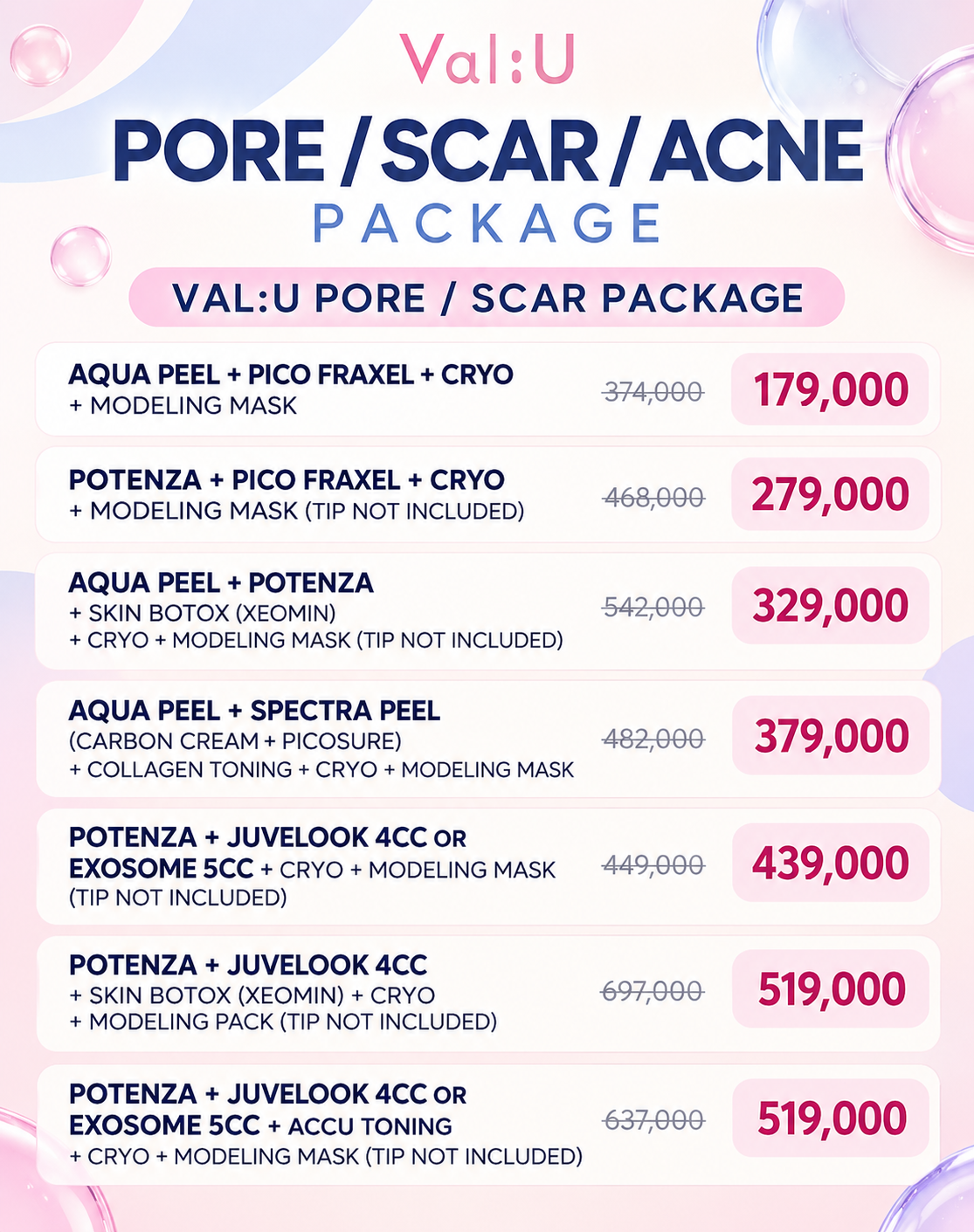
Depending on the cause, Korean clinics may recommend treatments such as Aqua Peel, LDM, microneedling, Potenza, Pico Fraxel, fractional laser, or skin boosters.
Pores
The system identifies visible circular openings that contrast with the surrounding skin. Pores may appear larger because of excess sebum, reduced elasticity, congestion, acne history, or genetic factors.
VISIA can show where enlarged pores are concentrated, but it cannot determine the full cause alone. A closer clinical examination is still required.
UV Spots
UV photography may reveal areas associated with accumulated sun exposure that are not as obvious under normal lighting. These images can help patients understand why consistent sunscreen use is important, even when the visible skin appears relatively clear.
UV spots do not necessarily indicate a dangerous skin condition. Any suspicious or changing lesion should be examined separately by a qualified dermatologist.
Brown Spots
Brown spot analysis highlights concentrations of melanin beneath or within the visible skin layers. It can be helpful when assessing freckles, sun spots, post-inflammatory hyperpigmentation, and uneven skin tone.
Melasma requires careful diagnosis because aggressive treatment can sometimes worsen pigmentation. VISIA findings should therefore be combined with a medical assessment before beginning laser treatment.
Red Areas
Red-area imaging can reveal vascular or inflammatory patterns related to facial flushing, acne, irritation, or visible blood vessels. Korean clinics may use this information when considering vascular lasers, soothing treatments, or skincare for a damaged skin barrier.
Redness may have many causes, including rosacea, acne, recent sun exposure, heat, or sensitivity. A machine-generated image should not be treated as a final diagnosis.
Porphyrins
Porphyrins are substances associated with bacteria commonly found inside pores. Under certain imaging conditions, they can appear as fluorescent areas, particularly around the nose, chin, and forehead.
A high porphyrin reading may be associated with congestion or acne-prone areas, but it does not automatically confirm that a patient has acne or requires aggressive extraction.
How Korean Clinics Use VISIA Results
The purpose of VISIA is not simply to generate a skin score. Its greatest value is helping the clinic connect visible concerns with an appropriate treatment strategy.
Examples may include:
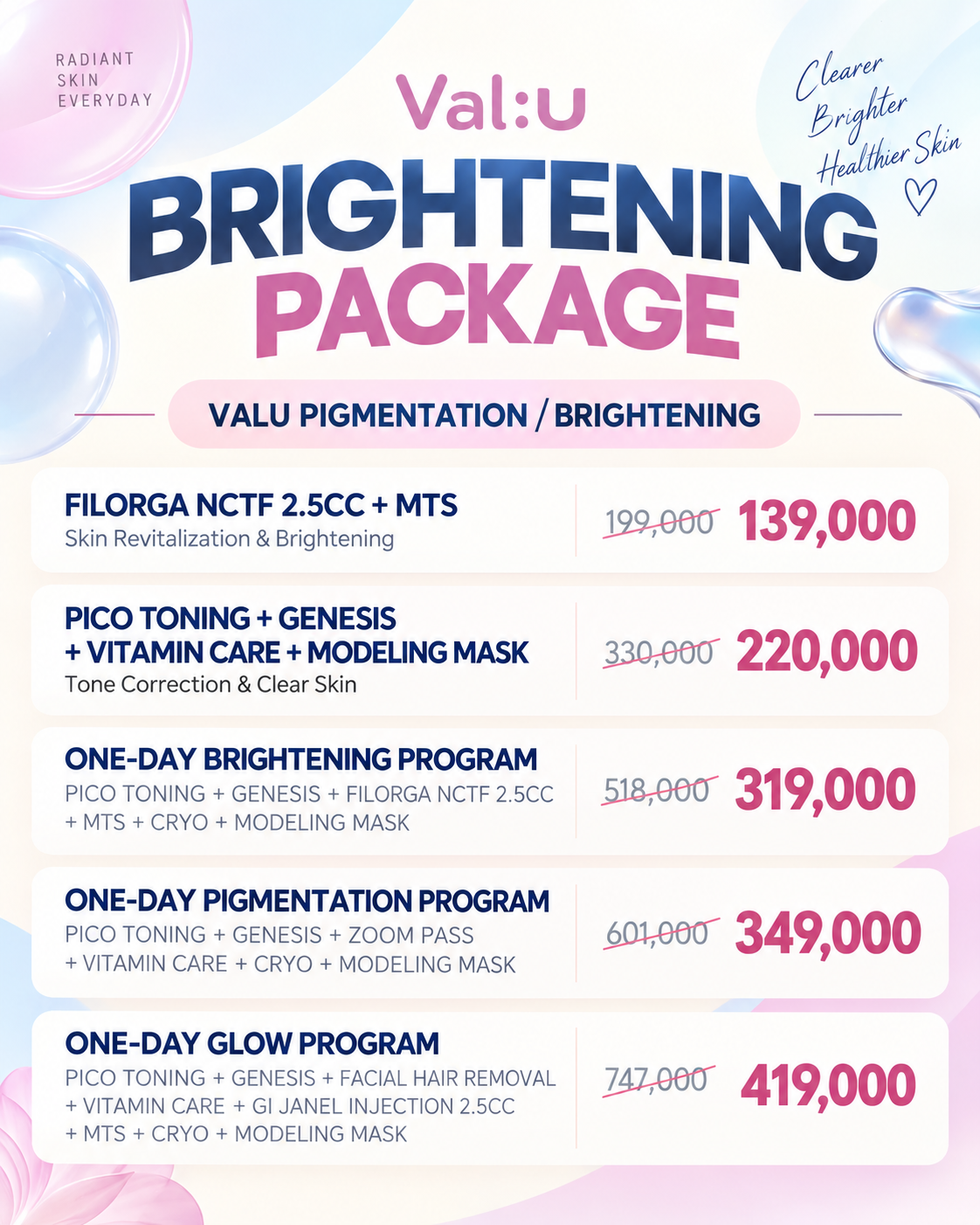
- Pigmentation and sun damage: Pico laser, laser toning, IPL, or targeted pigment treatment
- Redness and visible vessels: Vascular laser or calming skin therapy
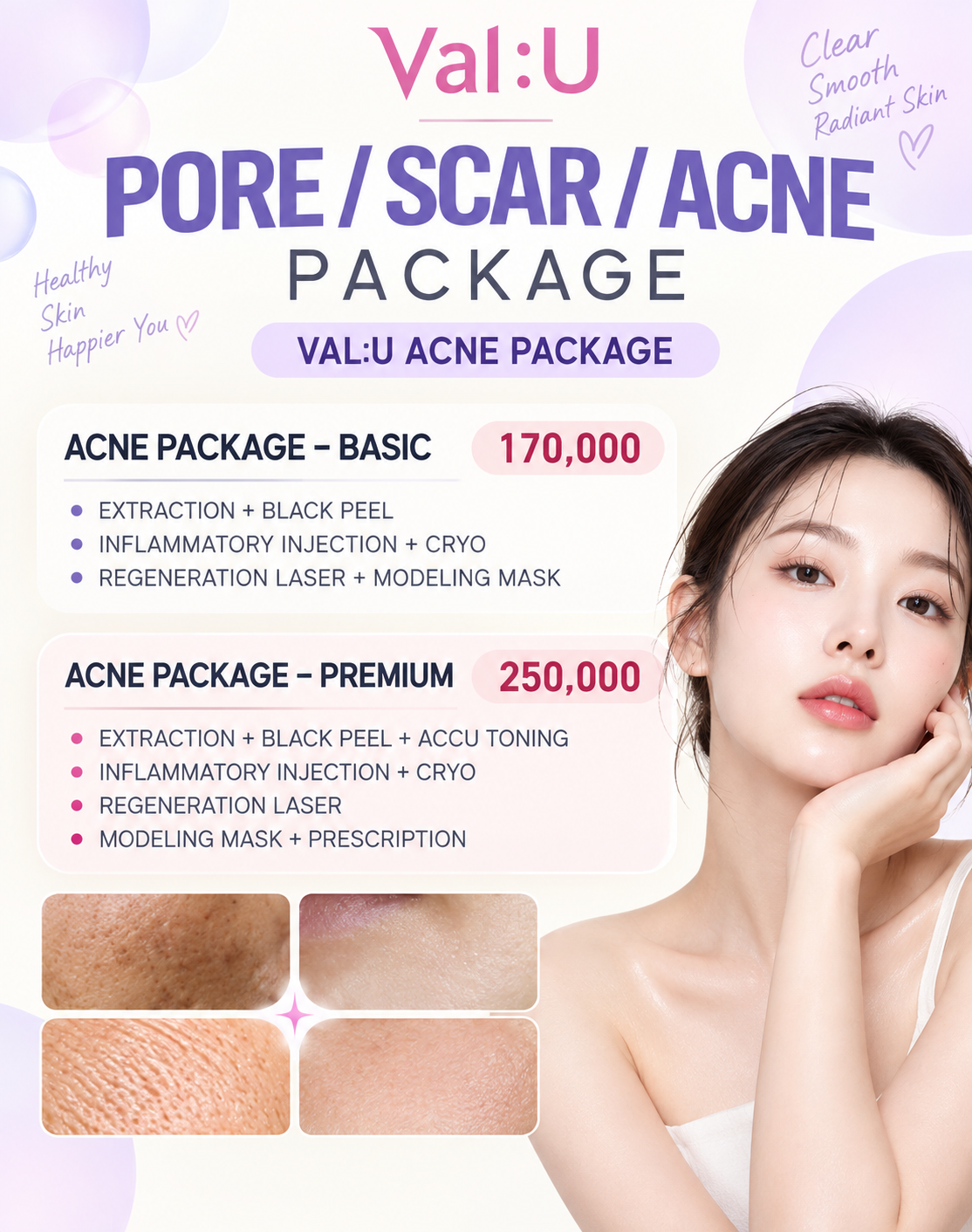
- Acne and congestion: Acne treatment, Aqua Peel, medical extraction, or light-based therapy
- Acne scars and uneven texture: Potenza, RF microneedling, Pico Fraxel, or fractional laser
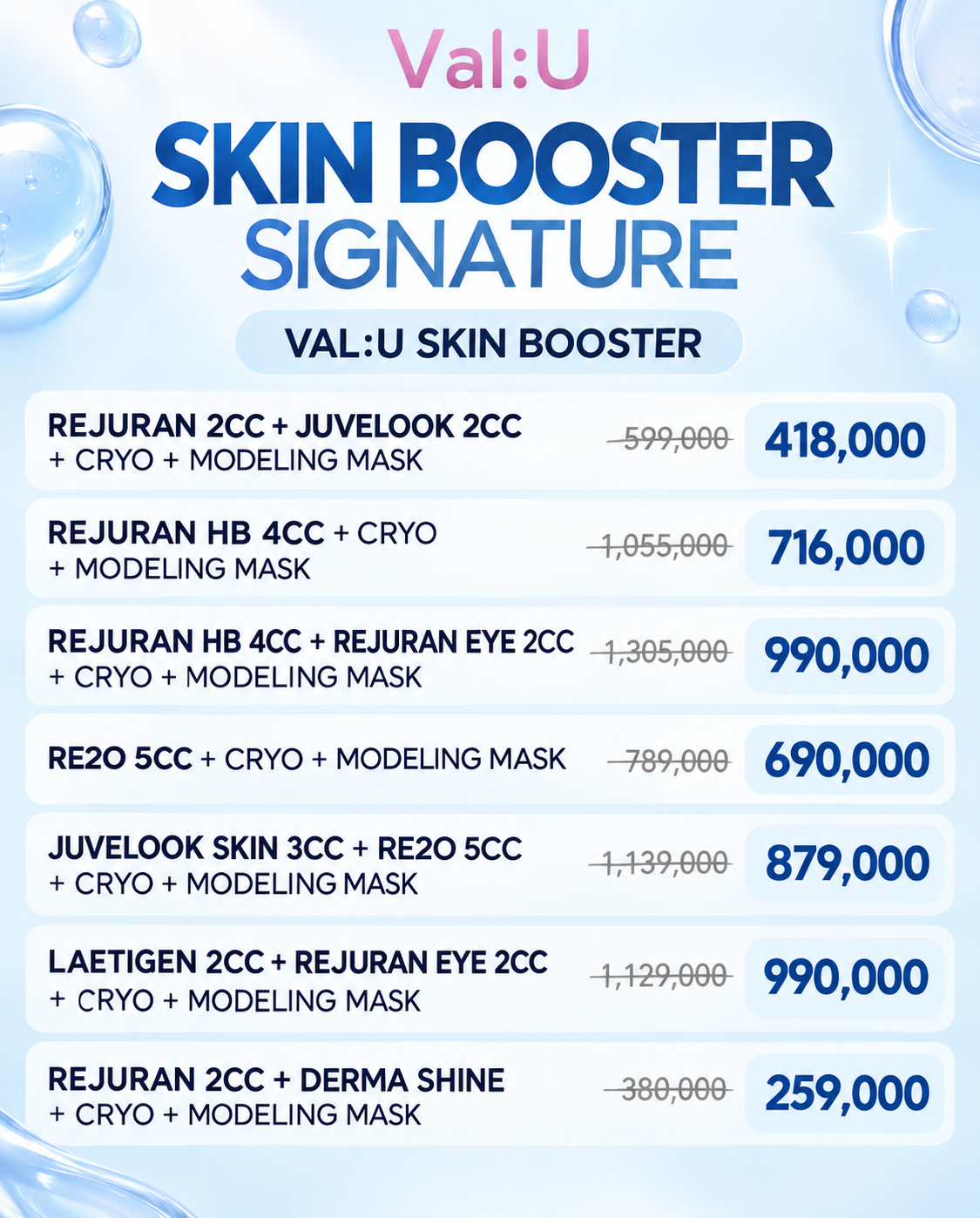
- Dryness and reduced radiance: Hydrating facials, LDM, or skin boosters
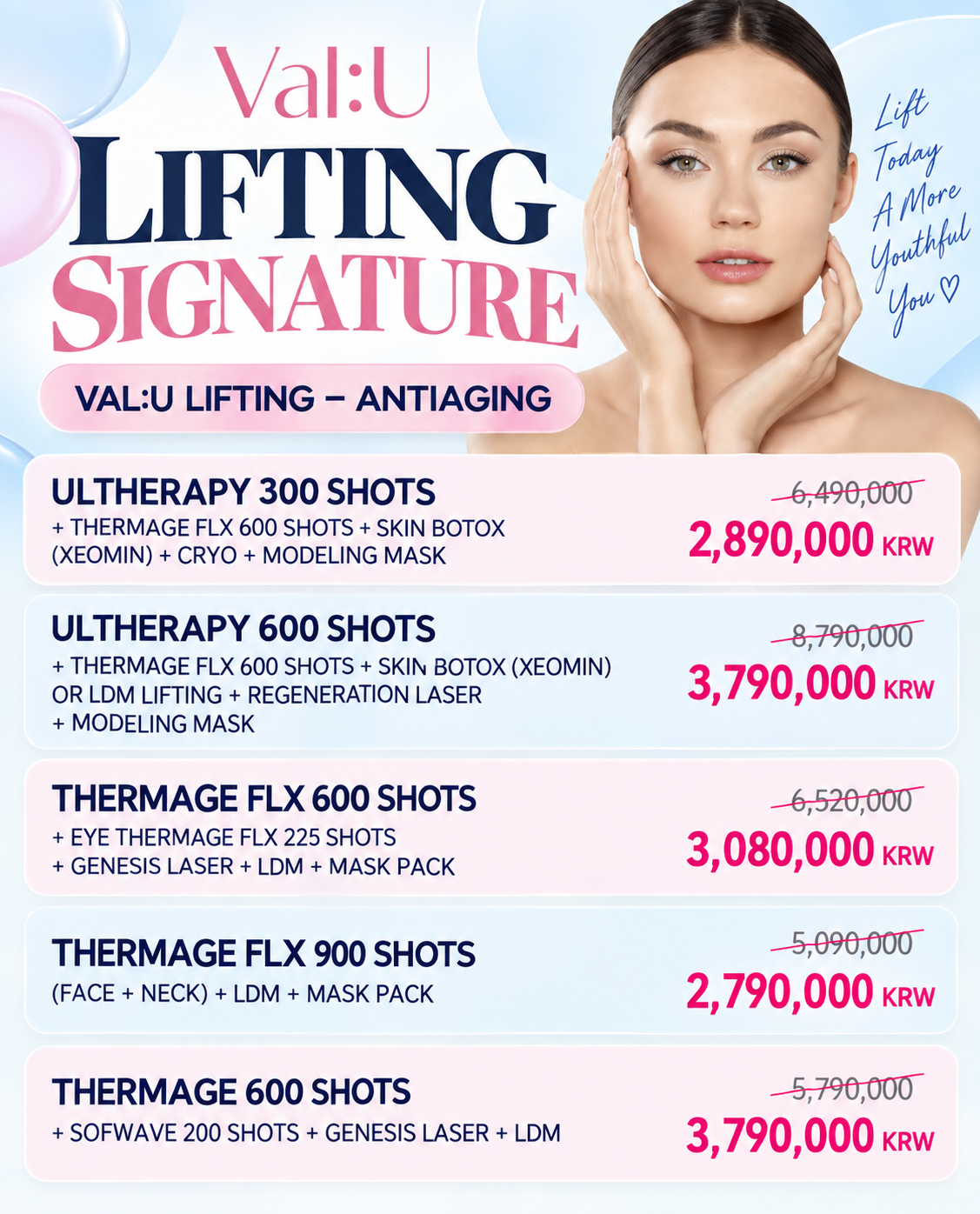
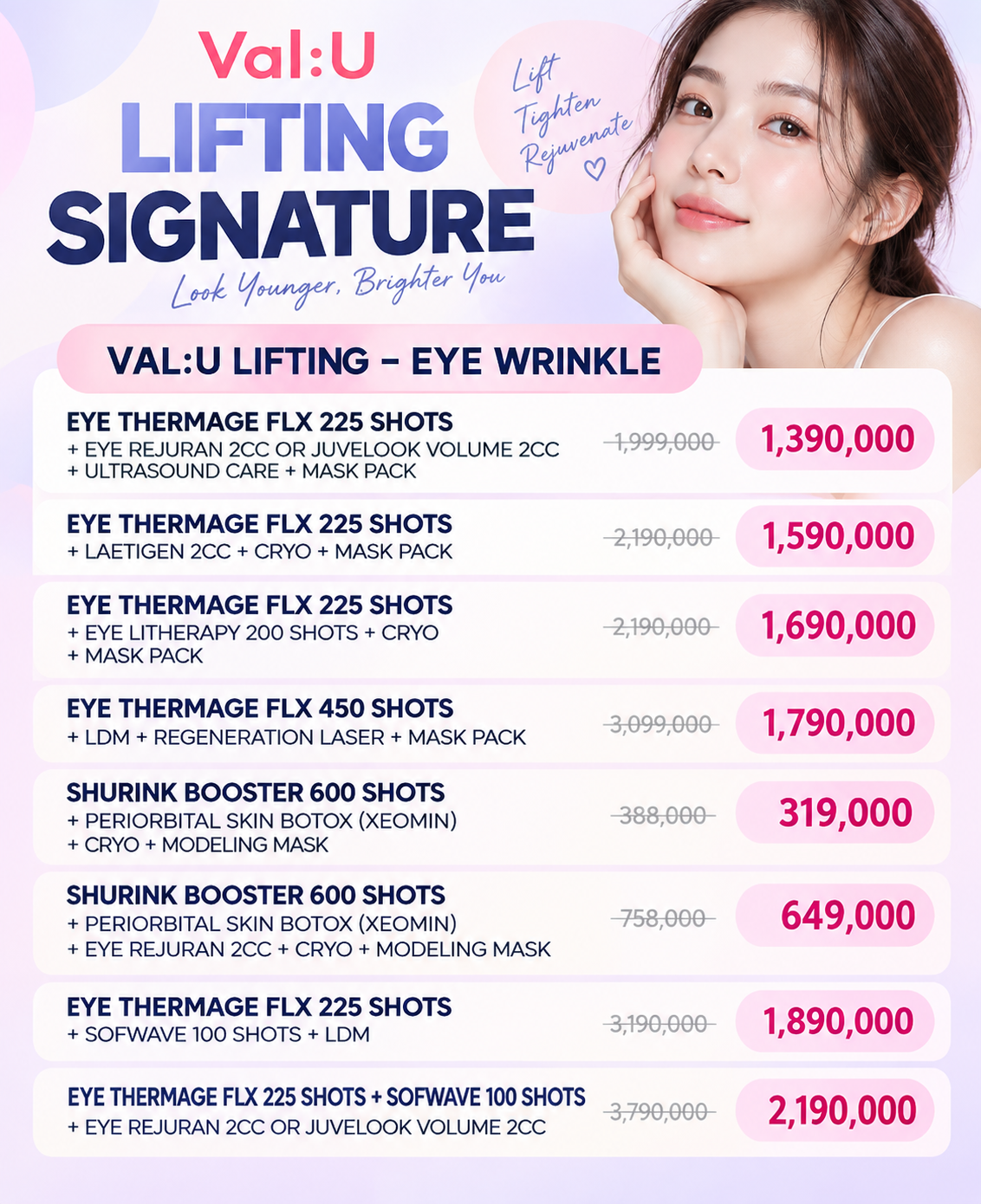
- Fine lines and elasticity concerns: Rejuran, Juvelook, radiofrequency, HIFU, or other lifting treatments
- Enlarged pores: Combination treatment using lasers, microneedling, boosters, or sebum management
Many patients have more than one concern. For example, someone may have both redness and pigmentation, or active acne together with acne scars. In these cases, the clinic may recommend treating inflammation and skin-barrier problems before performing stronger laser procedures.
Can VISIA Tell You Your Skin Age?
Some VISIA consultations include a skin-age estimate or percentile comparison. This can be interesting and may help patients understand how their skin compares with a reference group.
However, “skin age” should not be interpreted as a precise medical measurement. Results may vary depending on:
- Skin hydration
- Recent sun exposure
- Makeup residue
- Lighting and positioning
- Facial expression
- Device model
- Software settings
- Reference database
- Recent treatments
The most useful part of VISIA is usually the detailed imaging and ability to compare consistent photographs over time—not a single age or percentage score.
Can VISIA Show Which Treatment You Need?
VISIA can help identify the areas that may benefit from treatment, but it cannot independently decide which procedure is appropriate.
Two patients with similar pigmentation images may require different treatments because one has freckles while the other has melasma or post-acne pigmentation. Likewise, visible pores may be caused by oiliness, scarring, reduced elasticity, or a combination of factors.
An appropriate recommendation should consider:
- Medical diagnosis
- Skin type and tone
- Sensitivity
- Previous treatment response
- Current medications
- History of pigmentation or scarring
- Available recovery time
- Budget
- Treatment goals
International patients should be cautious if a clinic recommends an extensive treatment package based only on an automated score without a proper consultation.
Is VISIA Suitable for Different Skin Tones?
VISIA can be used for patients with a wide range of skin tones. However, imaging results must be interpreted carefully because pigmentation, redness, and contrast can appear differently depending on the patient’s natural skin color.
This is particularly important for patients with darker skin tones or a history of post-inflammatory hyperpigmentation. Some lasers and energy settings may carry a greater pigmentation risk if they are not properly selected.
Tell the clinic if you have previously experienced:
- Dark marks after acne or irritation
- Hyperpigmentation after laser treatment
- Keloid or raised scarring
- Melasma
- Eczema or dermatitis
- Rosacea
- Unusual sensitivity to heat or light
The consultation should focus on both the VISIA findings and your individual skin history.
Can VISIA Track Treatment Results?
Yes. One of the main benefits of computerized skin imaging is the ability to compare photographs over time.
A clinic may perform the first analysis before treatment and repeat it after several sessions. This can help document changes in pigmentation, redness, texture, pores, or other concerns.
For meaningful comparisons, follow-up photographs should ideally use:
- The same device
- Similar positioning
- The same facial angles
- Consistent lighting
- Clean skin
- A similar interval after treatment
Results may not be immediately visible after every procedure. Collagen-stimulating treatments, skin boosters, and pigmentation programs often require time or multiple sessions before meaningful changes can be assessed.
How Should Foreign Patients Prepare?
Before visiting a Korean skin clinic, prepare a short summary of your concerns and treatment history. If possible, bring the names of previous lasers, injectables, prescription creams, or skin boosters.
You should also tell the clinic about:
- Allergies
- Pregnancy or breastfeeding
- Prescription medication
- Active infections or cold sores
- Recent tanning or sunburn
- Isotretinoin use
- Previous pigmentation complications
- Recent lasers, fillers, Botox, or surgery
- Planned flights or important events
If you are only in Seoul for a few days, ask which treatments offer manageable downtime and whether follow-up care will be required after returning home.
Questions to Ask During Your VISIA Consultation
Consider asking:
- Which findings are most important for my skin?
- Are the visible spots freckles, melasma, or post-acne pigmentation?
- Which concerns should be treated first?
- Is the recommended treatment suitable for my skin tone?
- How many sessions may be needed?
- What downtime should I expect?
- Could the treatment worsen pigmentation or redness?
- Can I receive the VISIA images or treatment report?
- When should I repeat the analysis?
- What skincare should I use after treatment?
An English-speaking coordinator can help international patients understand the results, but the final medical treatment decision should be discussed with a qualified doctor.
Is VISIA Skin Analysis Worth It?
VISIA can be useful for first-time patients who are uncertain whether their main concern is pigmentation, redness, pores, texture, or sun damage. It is also helpful for documenting baseline skin conditions and monitoring long-term treatment progress.
However, the machine should support—not replace—a thorough consultation. A good Korean skin clinic will explain the images in context rather than using low scores to pressure patients into unnecessary procedures.
Final Thoughts
VISIA skin analysis provides a detailed look at visible and underlying skin characteristics that may be difficult to evaluate in a mirror. During a Korean skin consultation, it can help identify pigmentation, redness, pores, texture, fine lines, UV-related spots, and congestion.
For international patients, the best consultation combines VISIA imaging with a direct skin examination, medical history review, and realistic discussion of treatment goals and downtime. When properly interpreted, the analysis can serve as a useful starting point for a safer and more personalized Korean skincare plan.
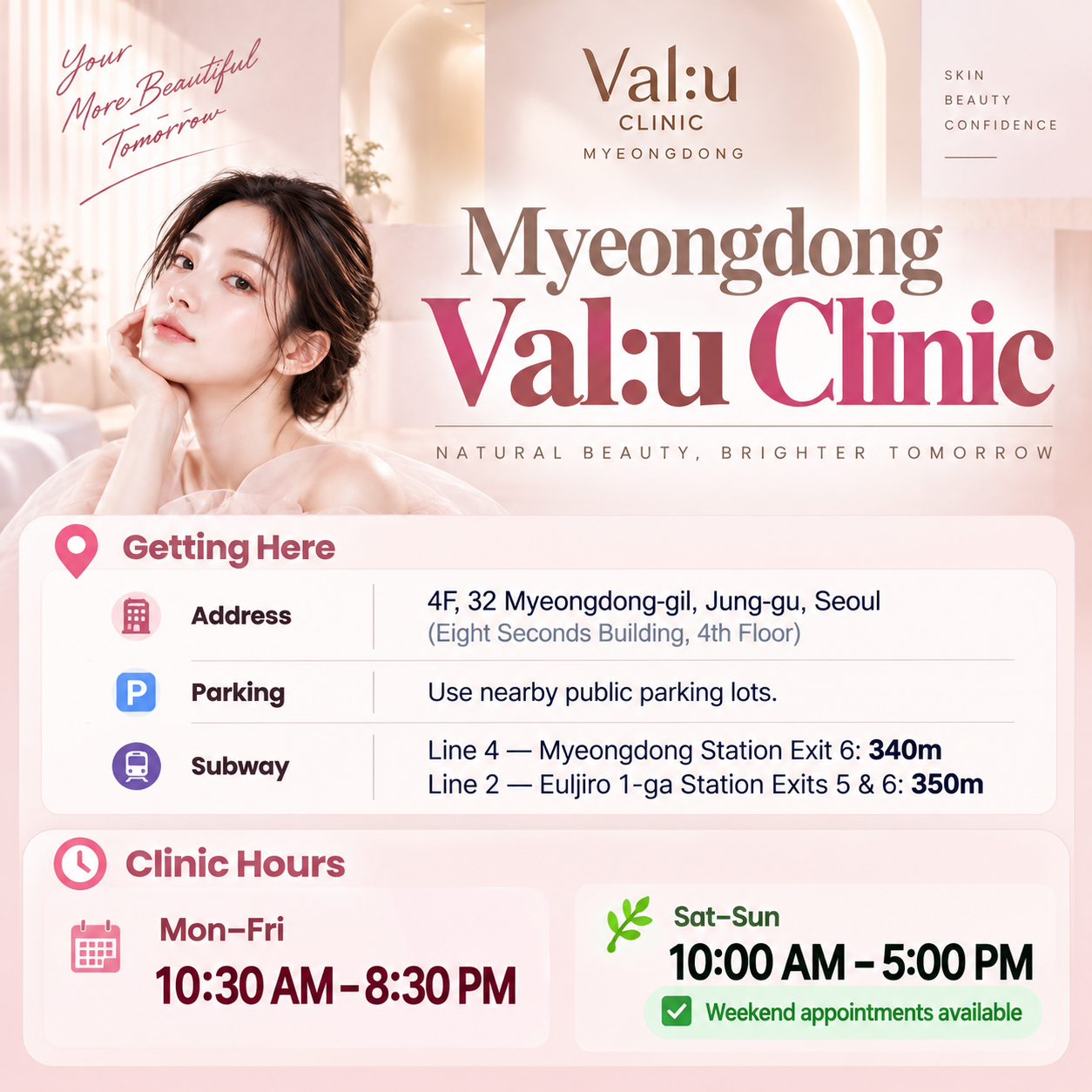
At Val:U Clinic, Myeongdong
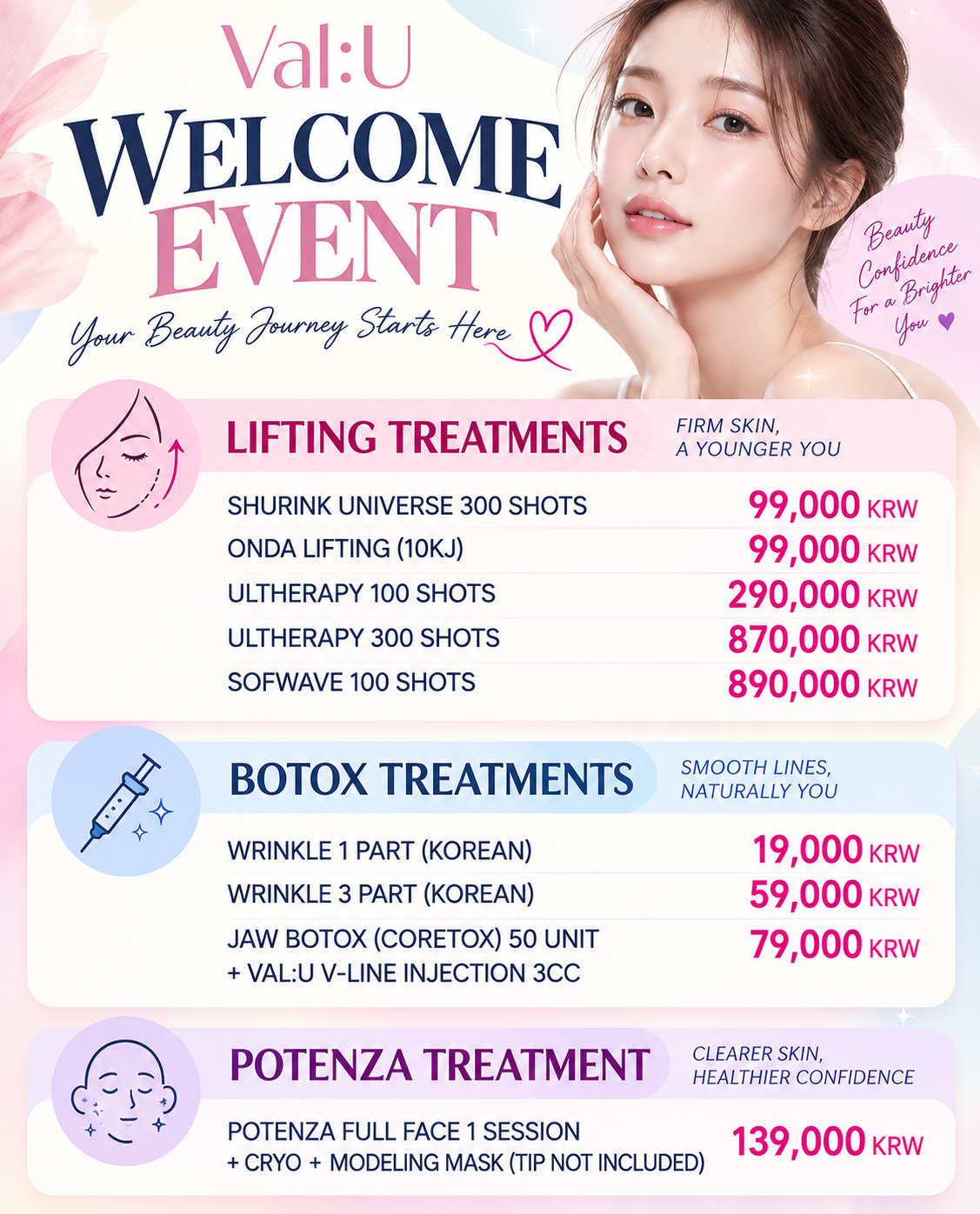
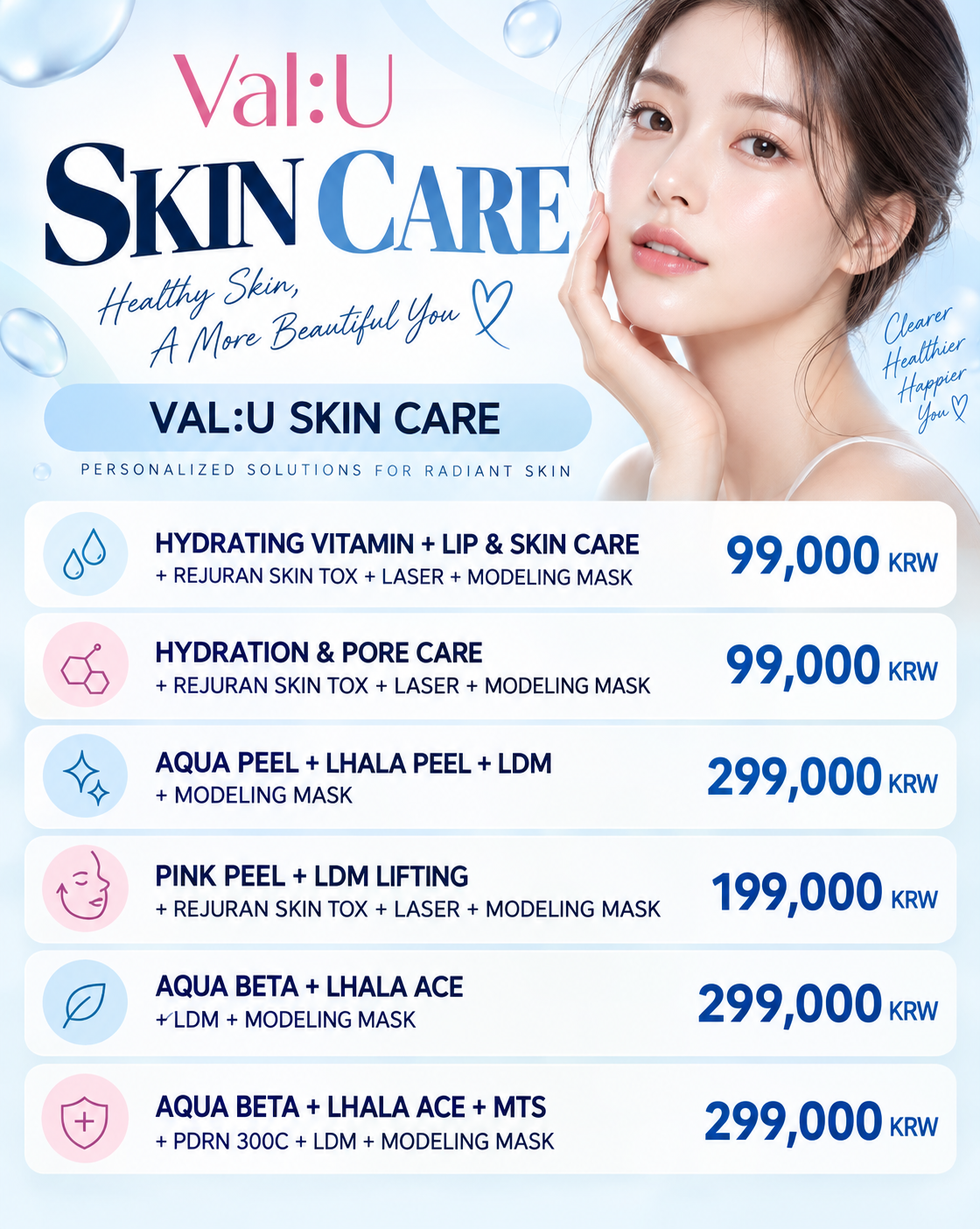
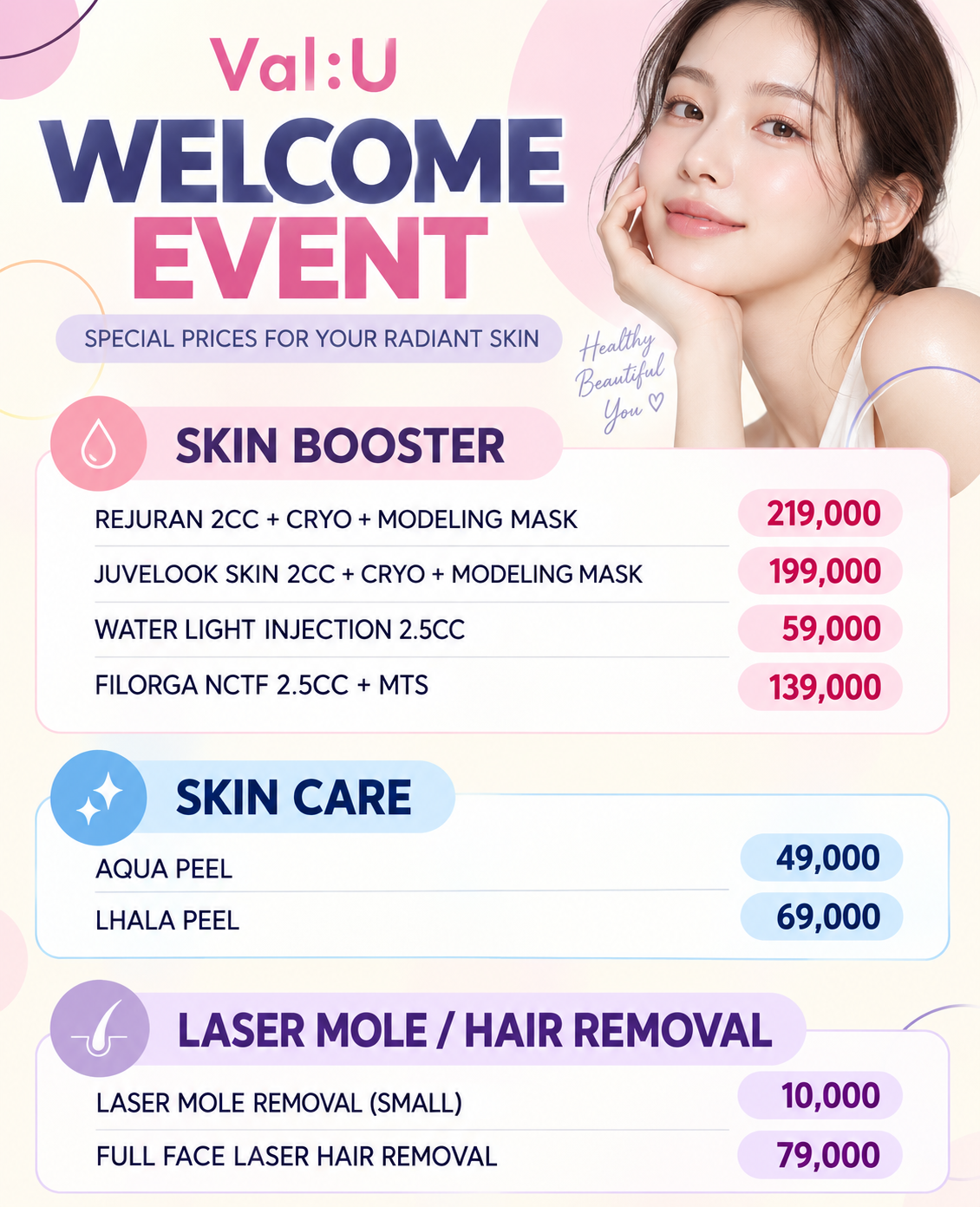
gentle skin care: our prices
| Treatment | Price (VAT 10% excluded) |
|---|---|
| LDM
Ultrasound skin care for redness, acne and hydration |
from KRW 99,000 |
| Customized skin care
Matched to your skin problem |
from KRW 99,000 |
| Peeling
Removes dead skin and impurities |
from KRW 99,000 |
| Water light injection
Hyaluronic acid skin booster |
from KRW 75,000 |
Official Val:U Clinic prices, October 2026, VAT 10% excluded. The doctor confirms your plan and total before treatment. Full price list.

Ask a doctor about gentle skin care
Send your concern, a photo if you like, and your travel dates on WhatsApp. We reply in English with options and prices, and the doctor confirms your plan at consultation before anything starts.
Val:U Clinic · 4F, 32 Myeongdong-gil, Jung-gu, Seoul · Mon–Fri 10:30–20:30 · Sat–Sun 10:00–17:00 · Tel +82-2-2039-7431