Collagen Boosters: Juvelook vs. Radiesse vs. Sculptra
Juvelook is generally selected for pores, uneven texture, fine lines, and acne scars, while Juvelook Volume is used for broader volume restoration. Radiesse offers immediate contouring together with calcium hydroxylapatite-based biostimulation and may also be diluted for skin-quality treatment. Sculptra provides gradual PLLA-driven collagen stimulation for widespread facial volume loss and progressive rejuvenation.
What Is a Collagen Booster?
A collagen booster, or biostimulator, is an injectable product that encourages a tissue response rather than relying only on the injected material for its final effect.
Unlike a traditional hyaluronic acid filler that physically maintains most of its volume as a gel, a biostimulator supports gradual changes as the body produces collagen and other structural components.
Potential treatment goals include:
- Improved skin firmness
- Reduced appearance of fine lines
- Smoother texture
- Better elasticity
- Gradual volume restoration
- Improved facial contours
- Reduced appearance of pores
- Acne-scar support
- Rejuvenation of the neck or body skin
Not every collagen stimulator is suitable for every facial area. Product characteristics and injection depth matter.
What Is Juvelook?
Juvelook is a Korean collagen-stimulating injectable manufactured by VAIM. It combines PDLLA, or poly-D,L-lactic acid, with hyaluronic acid.
Standard Juvelook is generally injected superficially and used for:
- Enlarged pores
- Uneven skin texture
- Fine lines
- Shallow acne scars
- Reduced skin firmness
- Crepey skin
- General facial rejuvenation
The manufacturer lists standard Juvelook as containing PDLLA and hyaluronic acid, with Juvelook Volume containing higher quantities of both components.
The hyaluronic acid component provides initial hydration and helps distribute the product. The PDLLA particles support gradual collagen stimulation.
What Is Juvelook Volume?
Juvelook Volume is a separate product within the Juvelook family.
Compared with standard Juvelook, it is designed for deeper treatment and stronger volumizing goals. It may be used for:
- Temple hollowness
- Sunken cheeks
- Facial depressions
- Mild forehead hollowness
- Age-related volume loss
- Broad facial rejuvenation
Standard Juvelook and Juvelook Volume should not be treated as interchangeable.
When comparing clinics, ask whether the quote is for:
- Standard Juvelook
- Juvelook Volume
- One vial or multiple vials
- Manual injection or injector-device delivery
- Skin-quality treatment or volume restoration
What Is Radiesse?
Radiesse is a biostimulatory injectable containing calcium hydroxylapatite, or CaHA, microspheres suspended in a carboxymethylcellulose gel carrier.
The gel provides immediate contouring, while the CaHA microspheres support gradual collagen and elastin-related tissue remodeling.
Official product information describes Radiesse as containing CaHA microspheres in a gel carrier and providing an immediate contouring effect alongside regenerative support.
Radiesse may be used for:
- Jawline contouring
- Lower-face support
- Chin-area correction
- Selected facial folds
- Hand rejuvenation
- Neck and décolletage skin quality
- Body skin laxity
- Collagen and elastin stimulation
The treatment method changes significantly depending on whether Radiesse is used undiluted for structure or diluted for skin quality.
What Is Hyperdilute Radiesse?
Radiesse may be mixed with saline and sometimes lidocaine to create a diluted or hyperdiluted biostimulatory treatment.
When diluted, the goal is usually not sharp facial projection. The product is distributed more broadly to improve:
- Skin firmness
- Crepey texture
- Mild laxity
- Neck skin
- Décolletage
- Upper arms
- Abdomen
- Buttocks
- Thighs
- Skin above the knees
Dilution ratios and approved uses vary. The doctor should explain whether the proposed treatment is on-label or off-label in the relevant country.
Hyperdilute Radiesse is not simply a weaker filler. It is a different treatment strategy emphasizing tissue quality rather than immediate contour.
What Is Sculptra?
Sculptra is an injectable collagen stimulator containing PLLA, or poly-L-lactic acid.
It is reconstituted before treatment and injected into selected tissue planes. The early fullness seen after treatment is primarily caused by the reconstitution fluid and swelling. This fullness decreases before the gradual collagen response becomes visible.
Sculptra is commonly used for:
- Broad facial volume loss
- Sunken cheeks
- Temple hollowness
- Age-related facial thinning
- Reduced tissue support
- Selected folds and depressions
- Progressive full-face rejuvenation
- Skin firmness
The manufacturer describes Sculptra as a PLLA collagen stimulator that gradually improves skin structure and volume.
Juvelook vs Radiesse vs Sculptra: Main Differences
The main differences are the active material, depth of treatment, and speed of results.
Juvelook uses PDLLA and HA. Standard Juvelook is commonly used for superficial skin quality, pores, scars, and fine lines.
Radiesse uses CaHA in a gel carrier. It can provide immediate contour and longer-term biostimulation. When diluted, it can be used for broad skin-quality treatment.
Sculptra uses PLLA. It produces gradual collagen stimulation and is generally chosen for broad facial volume loss rather than precise, immediate shaping.
A simple guide is:
- Juvelook: Pores, acne scars, fine lines, and texture
- Juvelook Volume: Gradual facial volume
- Radiesse: Immediate contour plus biostimulation
- Hyperdilute Radiesse: Skin firmness and body treatment
- Sculptra: Gradual full-face volume and structural rejuvenation
Which Gives Immediate Results?
Radiesse provides the most immediate structural correction of the three when used in its standard form. Its gel carrier creates visible contouring during treatment.
Juvelook and Sculptra may produce immediate fullness because of the injected fluid, hyaluronic acid, and swelling. However, this is not the final collagen-based result.
Standard Juvelook may provide some early hydration, but textural improvements develop gradually.
Sculptra patients should expect the initial fullness to decrease before new collagen-related improvement appears.
Which Is Best for Enlarged Pores?
Standard Juvelook is generally the most relevant option for enlarged pores.
It may be used alone or combined with:
- Potenza
- RF microneedling
- Pico Fraxel
- Fractional laser
- Subcision for selected scars
Juvelook may help when pores are associated with reduced elasticity or acne-related texture.
Radiesse and Sculptra are not usually first-choice treatments for individual facial pores because they are generally injected more deeply or distributed across broader tissue areas.
Which Is Best for Acne Scars?
Standard Juvelook is commonly selected for atrophic acne scars and uneven texture.
It may support gradual collagen formation within depressed areas, but scar treatment should be customized according to scar type.
Additional procedures may include:
- Subcision for tethered scars
- TCA CROSS for ice-pick scars
- Potenza for dermal remodeling
- Fractional laser
- Pico Fraxel
- Filler for selected depressions
Radiesse and Sculptra may occasionally be considered for broader depressions, but they are not routine treatments for superficial acne scars and enlarged pores.
Which Is Best for Fine Lines?
Juvelook may be suitable for superficial fine lines and textural aging.
Diluted Radiesse may improve skin firmness and crepey texture across the neck, lower face, or body.
Sculptra may soften the appearance of wrinkles indirectly by restoring broad tissue support, but it is not designed for direct placement into every fine line.
Dynamic wrinkles caused by muscle movement may respond better to Botox.
Which Is Best for Facial Volume Loss?
Sculptra is often selected for broad facial volume loss.
It may be useful when the face appears:
- Generally deflated
- Hollow through the temples
- Sunken through the cheeks
- Less structurally supported
- Aged because of widespread collagen loss
Juvelook Volume may provide another gradual option for selected facial hollows.
Radiesse may be preferred when immediate structural support and contour are important, particularly in the lower face or jawline.
Which Is Best for the Jawline?
Radiesse may be the most suitable option when the goal is immediate jawline definition and structural support.
The product’s gel carrier provides immediate contour, while CaHA supports longer-term tissue remodeling.
Sculptra may gradually improve lower-face support but will not create the same sharp, immediate jawline definition.
Juvelook Volume is generally associated with soft volume restoration rather than precise jawline sculpting.
If the jawline concern is caused by sagging, submental fat, large masseter muscles, or a recessed chin, combination treatment may be required.
Which Is Best for the Temples?
Sculptra and Juvelook Volume may both be considered for temple hollowness.
Sculptra may be selected for gradual, broad restoration. Juvelook Volume may provide progressive collagen support using a PDLLA-HA formulation.
Radiesse can provide structural correction, but product selection and use in the temple area require considerable caution.
The temples contain important blood vessels. Any injectable treatment in this area should be performed by an experienced medical injector.
Which Is Best for the Neck?
Hyperdilute Radiesse is commonly considered for neck skin quality and crepey texture.
Standard Juvelook may be used for superficial neck lines and texture, although numerous injections may be required.
Sculptra may be used in selected neck protocols, but it requires careful preparation, placement, and patient selection.
None of these treatments can remove significant loose neck skin or strong platysmal bands. HIFU, radiofrequency, Botox, or surgery may be more appropriate depending on the cause.
Which Is Best for the Hands?
Radiesse is commonly used for hand rejuvenation because it can provide immediate correction while improving tissue quality over time.
It may help camouflage visible tendons, veins, and age-related volume loss.
HA fillers can also be used in the hands, but Juvelook and Sculptra are less commonly selected for precise immediate hand correction.
Which Is Best for Body Skin?
Diluted or hyperdilute Radiesse may be used for skin-quality improvement on selected body areas.
Possible areas include:
- Upper arms
- Abdomen
- Buttocks
- Thighs
- Above the knees
- Décolletage
Sculptra may also be used for selected body-contouring or skin-quality applications, although permitted uses and evidence vary by country.
Standard Juvelook is generally more associated with facial pores, texture, and scars.
Body biostimulator treatment may require substantial product amounts and several sessions.
Which Is Most Reversible?
None of these treatments is readily reversible in the way that many hyaluronic acid fillers are.
Hyaluronidase may break down the HA component of Juvelook, but it cannot simply remove the PDLLA particles or reverse the collagen response.
Radiesse’s CaHA microspheres cannot be dissolved with hyaluronidase.
Sculptra’s PLLA particles also cannot be dissolved with hyaluronidase.
If overcorrection, nodules, or irregularities occur, management may require:
- Observation
- Massage when appropriate
- Medication
- Targeted injections
- Ultrasound assessment
- Surgical removal in unusual cases
Conservative treatment is essential.
How Many Sessions Are Required?
Juvelook
Standard Juvelook is commonly performed as a series for pores, scars, and texture. Results develop gradually.
Radiesse
A structural Radiesse treatment may create meaningful correction in one appointment, followed by reassessment.
Hyperdilute Radiesse may be performed as a series depending on skin laxity and the treatment area.
Sculptra
Sculptra is generally planned as multiple sessions. The number of vials and treatments depends on age, degree of volume loss, and desired result.
Completing all recommended sessions may be difficult for short-term visitors, so discuss whether follow-up can be continued at home.
When Will Results Appear?
Juvelook results develop gradually as collagen stimulation progresses. Early hydration or swelling should not be mistaken for the final result.
Radiesse provides immediate contour when used undiluted, followed by longer-term tissue changes.
Sculptra results develop over several weeks or months. The initial fullness decreases before collagen-related improvement becomes visible.
Patients should use standardized photographs to evaluate gradual treatments rather than relying only on memory.
How Long Do Results Last?
Result duration varies according to:
- Product
- Dilution
- Injection depth
- Number of sessions
- Treatment area
- Age
- Metabolism
- Collagen response
- Lifestyle
- Weight changes
- Sun exposure
The manufacturer describes Sculptra and Radiesse as capable of producing long-lasting improvement, but individual results and schedules vary.
No biostimulator permanently stops aging.
Downtime After Juvelook
Possible temporary effects include:
- Injection bumps
- Redness
- Swelling
- Pinpoint bleeding
- Bruising
- Tenderness
- Temporary unevenness
Downtime may be longer when Juvelook is combined with Potenza, subcision, or fractional laser.
Downtime After Radiesse
Possible temporary effects include:
- Swelling
- Bruising
- Redness
- Tenderness
- Firmness
- Temporary lumps
- Asymmetry during healing
Structural jawline or hand treatment may produce more visible swelling than hyperdilute skin-quality treatment.
Downtime After Sculptra
Possible temporary effects include:
- Swelling
- Bruising
- Tenderness
- Redness
- Injection marks
- Temporary fullness
- Mild asymmetry
Patients may be instructed to massage the treated area according to the doctor’s protocol.
Do not apply generic massage rules to every collagen stimulator. Follow the instructions for the specific product.
Risk of Nodules
All three treatments may cause lumps, papules, or nodules.
Risk may be influenced by:
- Product preparation
- Dilution
- Injection depth
- Concentration
- Treatment area
- Product distribution
- Excessive amount
- Patient response
- Aftercare
Juvelook and Sculptra require proper reconstitution. Radiesse requires correct placement and dilution according to the treatment goal.
Persistent, painful, inflamed, or enlarging lumps require medical assessment.
Vascular Complication Risk
Any facial injection can potentially enter or compress a blood vessel.
A vascular complication may cause:
- Severe pain
- Skin blanching
- Gray or purple discoloration
- Mottled skin
- Delayed capillary refill
- Tissue damage
- Vision changes
- Neurological symptoms
Seek immediate medical attention if these symptoms develop.
Biostimulators are not automatically safer than HA fillers. They are also more difficult to remove, which makes prevention and early recognition especially important.
Who May Prefer Juvelook?
Juvelook may be right for you if:
- Enlarged pores are a main concern.
- You have shallow acne scars.
- Skin texture is uneven.
- You want superficial collagen stimulation.
- Fine lines are more important than volume.
- You are willing to complete multiple sessions.
- You do not need sharp structural contouring.
Juvelook Volume may be considered separately when facial hollowness is the priority.
Who May Prefer Radiesse?
Radiesse may be right for you if:
- You want immediate jawline or lower-face contouring.
- You want both structure and collagen stimulation.
- Hand rejuvenation is a priority.
- You are considering diluted treatment for the neck or body.
- You want to improve firmness and elasticity.
- You understand that the product is not easily reversible.
Who May Prefer Sculptra?
Sculptra may be right for you if:
- You have broad facial volume loss.
- Your cheeks or temples appear hollow.
- You want gradual, natural-looking improvement.
- You prefer full-face rejuvenation over sharp contouring.
- You can wait several months for the result.
- You can complete a treatment series.
- You understand that it cannot be dissolved.
Can These Treatments Be Combined?
Yes, but combination treatment should be conservative and medically justified.
A customized plan might use:
- Juvelook for pores and texture
- Radiesse for jawline structure
- Sculptra for broad facial volume
- Botox for muscle-related wrinkles
- HA filler for precise lip or chin shaping
- HIFU or RF for skin laxity
Performing several injectable treatments during one visit can increase swelling, cost, and difficulty identifying the cause of a reaction.
A staged approach often provides better control.
Who Should Avoid or Delay Treatment?
Tell the doctor if you have:
- Active skin infection
- Dental infection
- Upcoming dental treatment
- Pregnancy or breastfeeding
- Autoimmune disease
- Bleeding disorder
- Previous filler complications
- A history of granulomas
- Unexplained facial lumps
- Severe allergies
- Recent facial surgery
- Recent laser or energy treatment
- Prescription medication use
Suitability and regulatory approval differ by product, treatment area, and country.
How to Verify the Product
Before treatment:
- Ask for the complete product name.
- Confirm standard Juvelook or Juvelook Volume.
- Check the sealed vial or syringe.
- Confirm the manufacturer.
- Review the expiration date.
- Ask how the product will be prepared.
- Confirm dilution and number of vials.
- Request treatment documentation.
- Ask whether the proposed use is approved in Korea.
Avoid clinics that describe every product only as a “collagen injection.”
Questions to Ask a Korean Clinic
Before choosing a collagen booster, ask:
- Is my main concern texture, volume, laxity, or contour?
- Which product best matches that concern?
- Do I need Juvelook or Juvelook Volume?
- Will Radiesse be used structurally or hyperdiluted?
- How many Sculptra vials and sessions are required?
- What dilution will be used?
- Which tissue plane will be treated?
- What is the nodule risk?
- Is the treatment reversible?
- How are vascular complications managed?
- When can I fly?
- Is 10% VAT included?
- Is English aftercare support available?
Final Verdict: Juvelook, Radiesse, or Sculptra?
Choose standard Juvelook for enlarged pores, acne scars, fine lines, and superficial texture improvement.
Choose Juvelook Volume for gradual PDLLA-based improvement of selected facial hollows.
Choose Radiesse when you want immediate contouring combined with CaHA-based collagen and elastin stimulation. Consider diluted Radiesse when the goal is skin firmness rather than structural volume.
Choose Sculptra for broad facial volume loss and gradual full-face rejuvenation through PLLA-driven collagen stimulation.
These treatments are not interchangeable. The best collagen booster is the one matched to the correct depth, facial area, and aesthetic goal by an experienced medical injector.
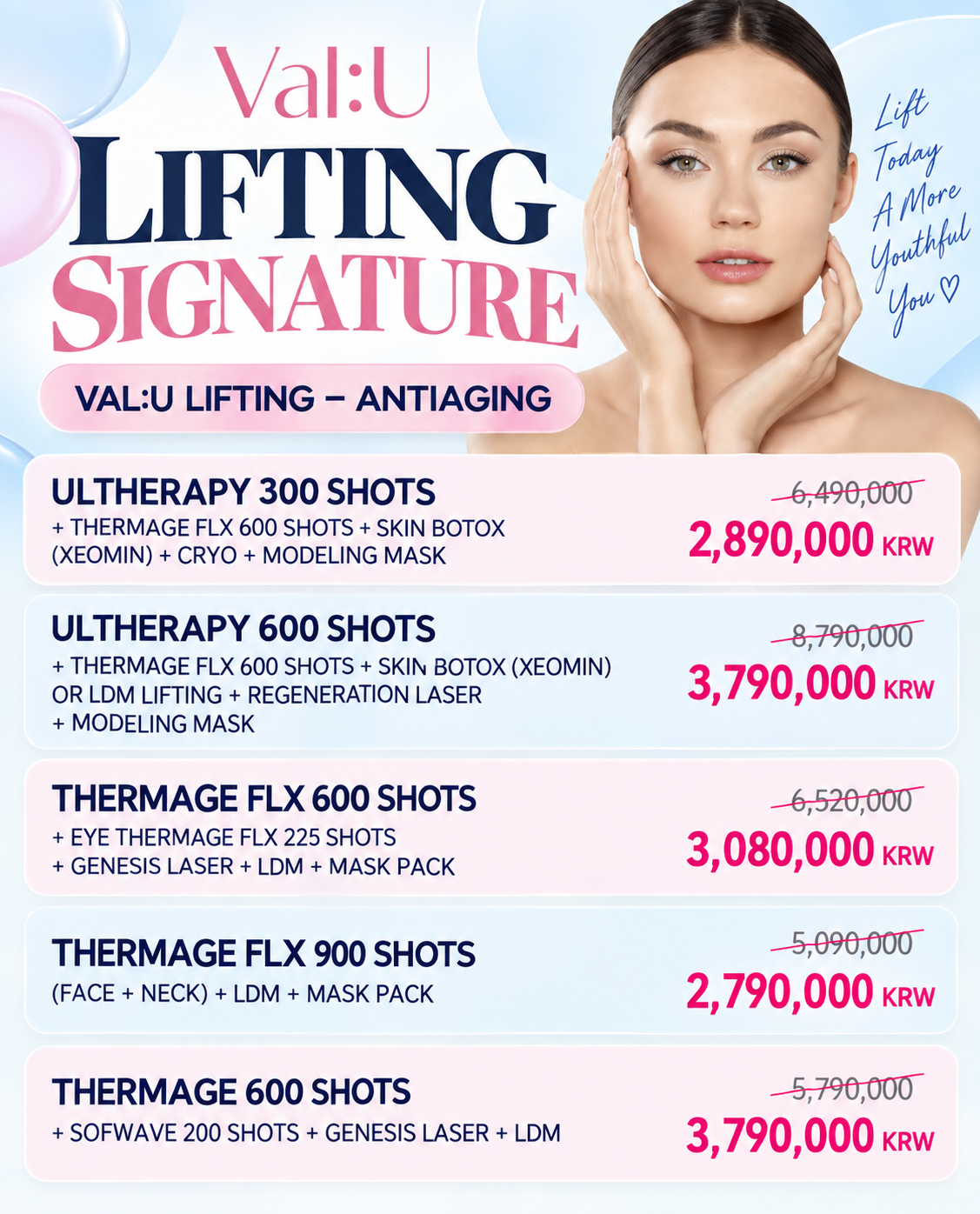
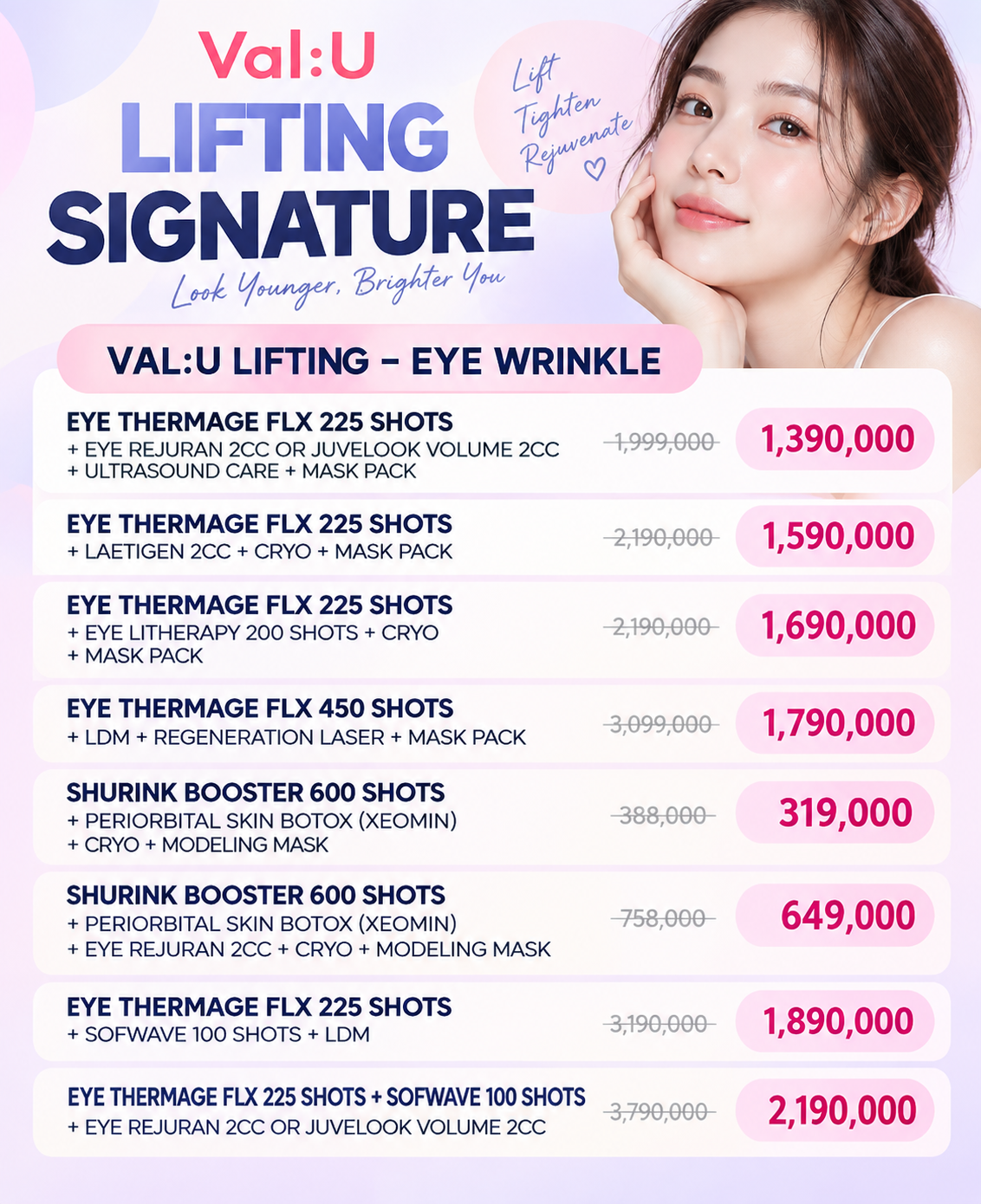
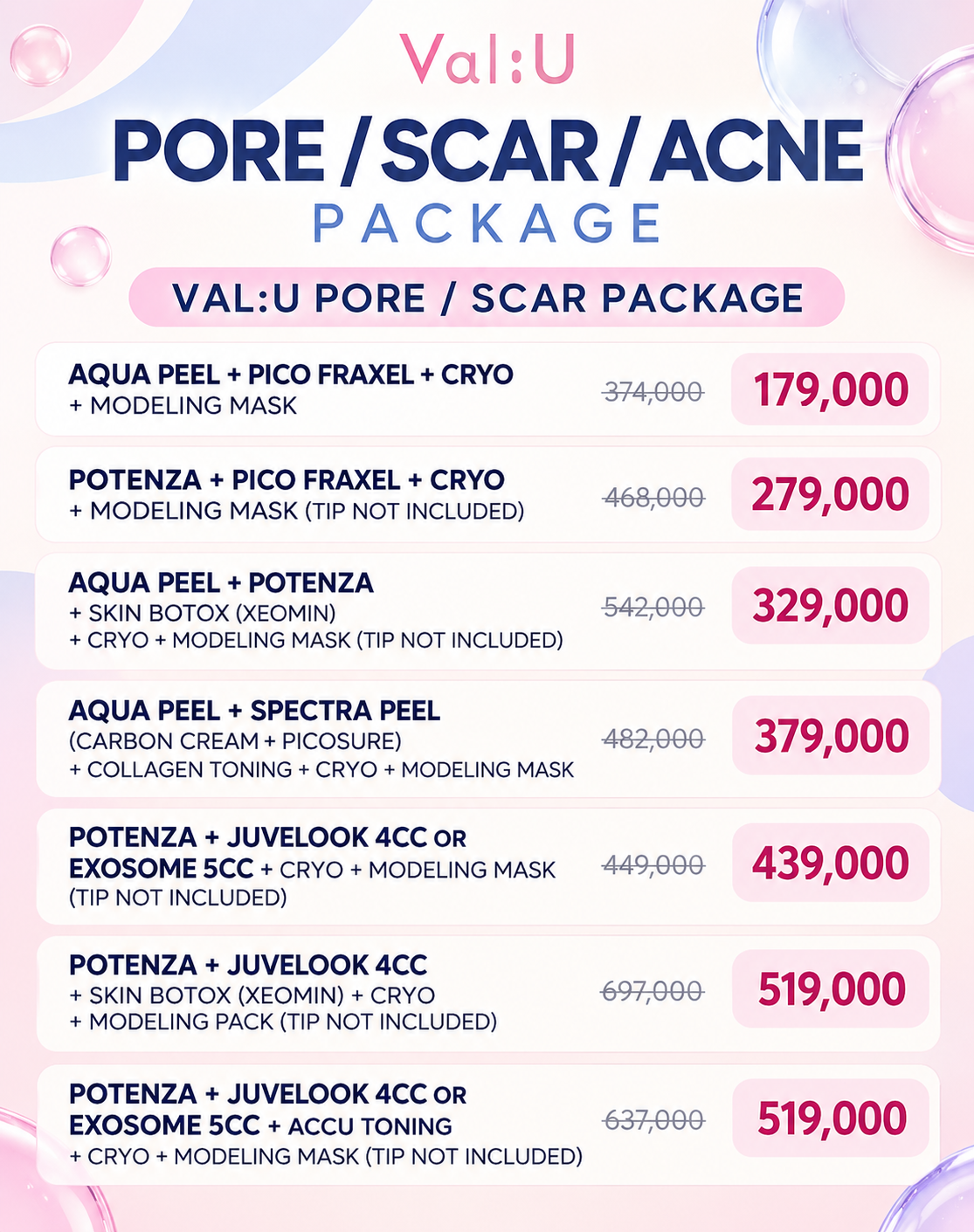
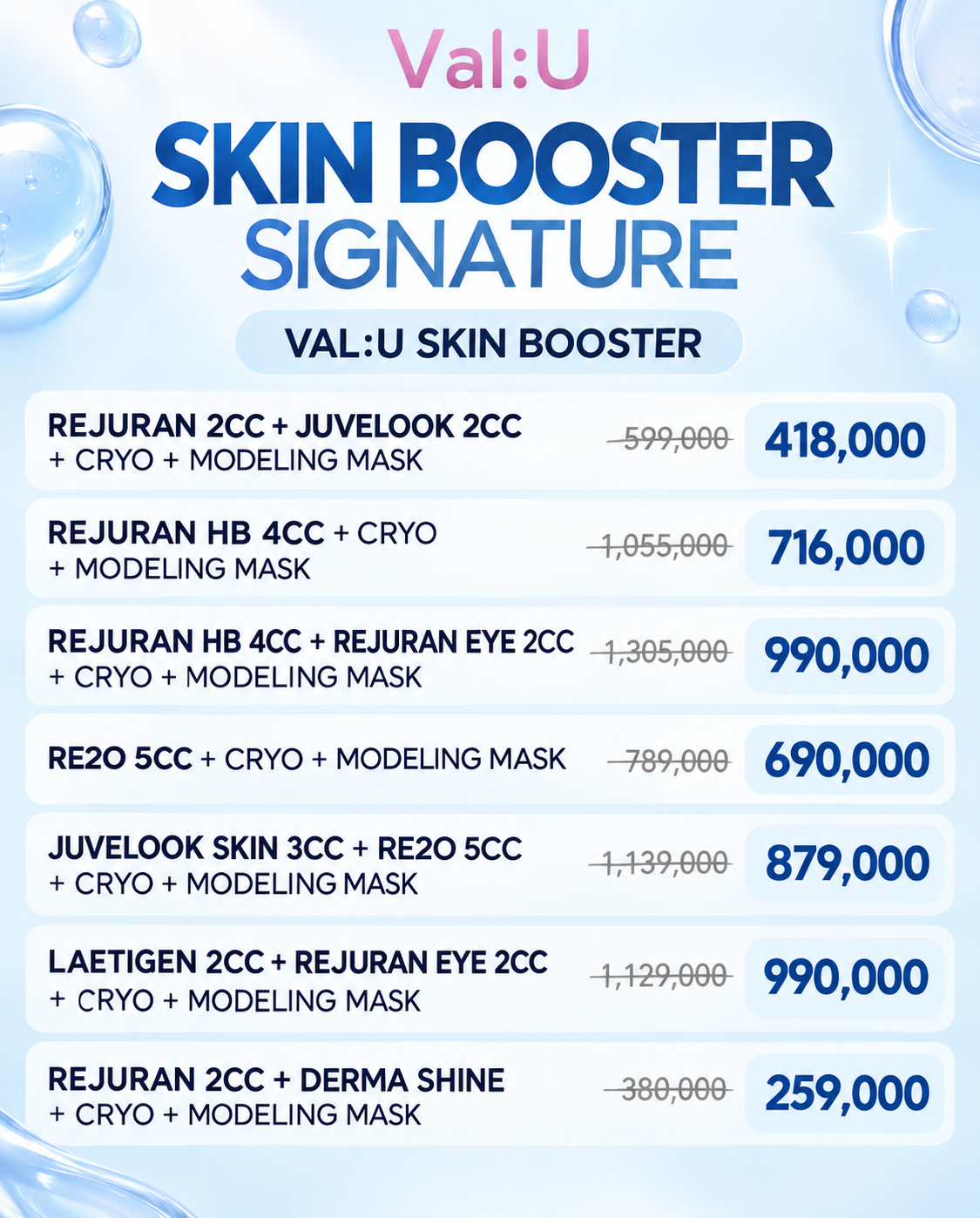
At Val:U Clinic, Myeongdong
collagen boosters: our prices
| Treatment | Price (VAT 10% excluded) |
|---|---|
| Juvelook
PLA + HA collagen injection |
from KRW 250,000 |
| Juvelook Volume
Natural volume through your own collagen |
from KRW 250,000 |
| Radiesse
CaHA collagen stimulator |
KRW 990,000 |
| Laetigen
Injectable collagen, mainly around the eyes |
KRW 690,000 |
| Re2O
Human-derived collagen for pores and acne scars |
KRW 690,000 |
Official Val:U Clinic prices, October 2026, VAT 10% excluded. The doctor confirms your plan and total before treatment. Full price list.
Sculptra is not on the Val:U Clinic price list. If you are considering it, ask the doctor about Juvelook Volume or Radiesse, which also build collagen.
Ask a doctor about collagen boosters
Send your concern, a photo if you like, and your travel dates on WhatsApp. We reply in English with options and prices, and the doctor confirms your plan at consultation before anything starts.
Val:U Clinic · 4F, 32 Myeongdong-gil, Jung-gu, Seoul · Mon–Fri 10:30–20:30 · Sat–Sun 10:00–17:00 · Tel +82-2-2039-7431