Rejuran Healer vs. Juvelook: Which Skin Booster Do You Need?
Rejuran Healer is a polynucleotide-based injectable commonly chosen for thin, dry, sensitive, or aging skin. Juvelook is a PDLLA and hyaluronic acid hybrid biostimulator often selected for enlarged pores, uneven texture, fine lines, and acne-scar treatment. Rejuran focuses primarily on overall skin quality and recovery, while Juvelook generally provides stronger collagen-stimulating support for textural concerns.
What Is Rejuran Healer?
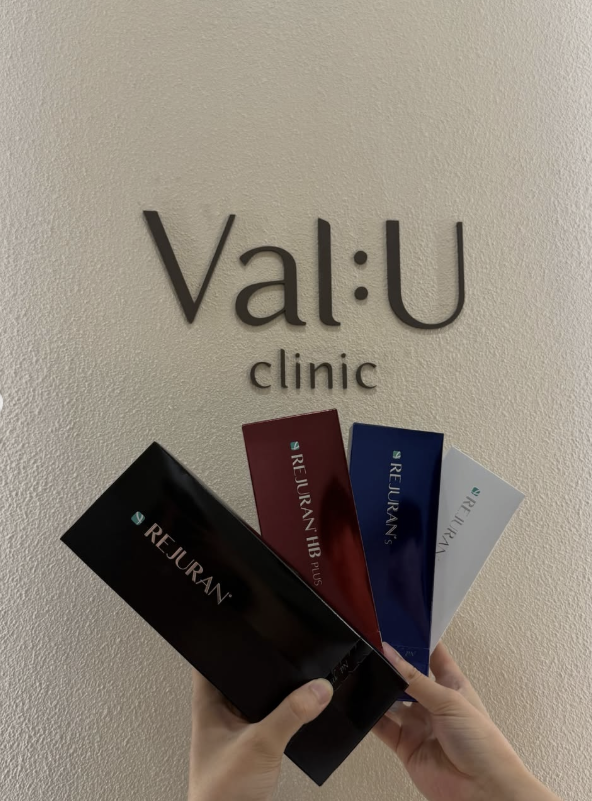
Rejuran Healer is an injectable skin-rejuvenation treatment manufactured by PharmaResearch in Korea. Its primary ingredient is PN, or polynucleotide. The manufacturer lists PN as the composition of the Rejuran product.
The purified polynucleotide material is commonly associated with salmon-family fish sources. It is injected into the skin through multiple small points rather than being placed deeply to create facial volume.
Rejuran is commonly chosen for:
- Fine lines
- Thin or crepey skin
- Dry or dehydrated-looking skin
- Reduced elasticity
- Uneven texture
- Enlarged pores
- Damaged or sensitive skin
- Under-eye skin quality
- General facial rejuvenation
- Skin recovery after repeated irritation
Rejuran is not a conventional hyaluronic acid dermal filler. It does not primarily work by immediately filling wrinkles or adding projection to the face.
How Does Rejuran Work?
Rejuran is intended to improve the environment and quality of the skin gradually. Polynucleotides are used in aesthetic medicine to support processes related to tissue repair, hydration, elasticity, and collagen production.
Rather than creating an immediate structural change, Rejuran treatments generally aim to make the skin appear:
- More hydrated
- Smoother
- More elastic
- Less crepey
- More resilient
- Healthier in texture
- Less visibly lined
A survey of Korean dermatologists identified facial fine lines as a leading indication for polynucleotide injections, while also noting their frequent use with other nonsurgical rejuvenation treatments.
Results tend to be gradual and may require a series of treatments.
What Is Juvelook?
Juvelook is a hybrid collagen-stimulating injectable manufactured by VAIM in Korea. It combines PDLLA, or poly-D,L-lactic acid, with hyaluronic acid.
The hyaluronic acid component provides initial hydration and distribution support, while the PDLLA component is intended to stimulate gradual collagen production.
Juvelook is commonly selected for:
- Enlarged pores
- Uneven skin texture
- Fine lines
- Atrophic acne scars
- Reduced skin firmness
- Crepey skin
- General collagen stimulation
- Selected under-eye concerns
- Shallow depressions
- Overall skin rejuvenation
Juvelook should not be confused with Juvelook Volume. The two products belong to the same family but are generally used differently.
Juvelook vs Juvelook Volume
Standard Juvelook is typically used more superficially for skin quality, pores, fine lines, and acne-scar support.
Juvelook Volume contains larger particles and is generally intended for deeper placement and broader volume-restoration goals. It may be used for concerns such as facial hollowness or structural volume loss, depending on the patient and local product indications.
International patients should verify the exact product because some clinics use the word “Juvelook” when discussing both versions.
Before treatment, ask to see:
- Full product name
- Sealed package
- Expiration date
- Planned dilution
- Number of vials
- Intended injection depth
- Treatment area
Standard Juvelook and Juvelook Volume should not be treated as interchangeable products.
Rejuran vs Juvelook: What Is the Main Difference?
The central difference is the active material and primary treatment goal.
Rejuran Healer uses polynucleotides. It is generally selected for overall skin repair, hydration, elasticity, fine lines, and fragile or damaged-looking skin.
Juvelook uses PDLLA and hyaluronic acid. It is generally selected for collagen stimulation, pores, acne scars, fine lines, and uneven texture.
A simple way to understand the difference is:
- Choose Rejuran when your main concern is skin quality, dryness, sensitivity, thinness, or fine lines.
- Choose Juvelook when your main concern is pores, uneven texture, shallow scars, or stronger collagen stimulation.
- Consider a customized combination when you have both weakened skin quality and textural concerns.
Neither treatment is universally better.
Which Is Better for Hydration?
Rejuran is often selected when the skin appears dry, thin, crepey, or easily irritated. Its primary goal is not to create facial volume but to support gradual improvements in skin condition.
Patients may choose Rejuran when they experience:
- Persistent tightness
- Fine dehydration lines
- Reduced elasticity
- Thin under-eye skin
- Dullness
- A weakened moisture barrier
- Sensitivity after repeated procedures
Juvelook contains hyaluronic acid, but it should not be viewed as a simple hydrating injection. Its primary appeal is the combination of initial skin support and longer-term collagen stimulation.
If hydration is your only concern, a hyaluronic acid skin booster or gentle hydrating treatment may be more appropriate than Juvelook.
Which Is Better for Enlarged Pores?
Juvelook is commonly recommended for enlarged pores because of its collagen-stimulating properties. It may help refine the appearance of pores when they are related to reduced elasticity or uneven dermal support.
Rejuran may also improve the appearance of pores by supporting overall skin quality, but it is generally considered a softer regenerative approach.
The cause of enlarged pores should be evaluated first. Pores may appear more prominent because of:
- Excess sebum
- Acne
- Reduced elasticity
- Sun damage
- Dehydration
- Acne scarring
- Genetic skin characteristics
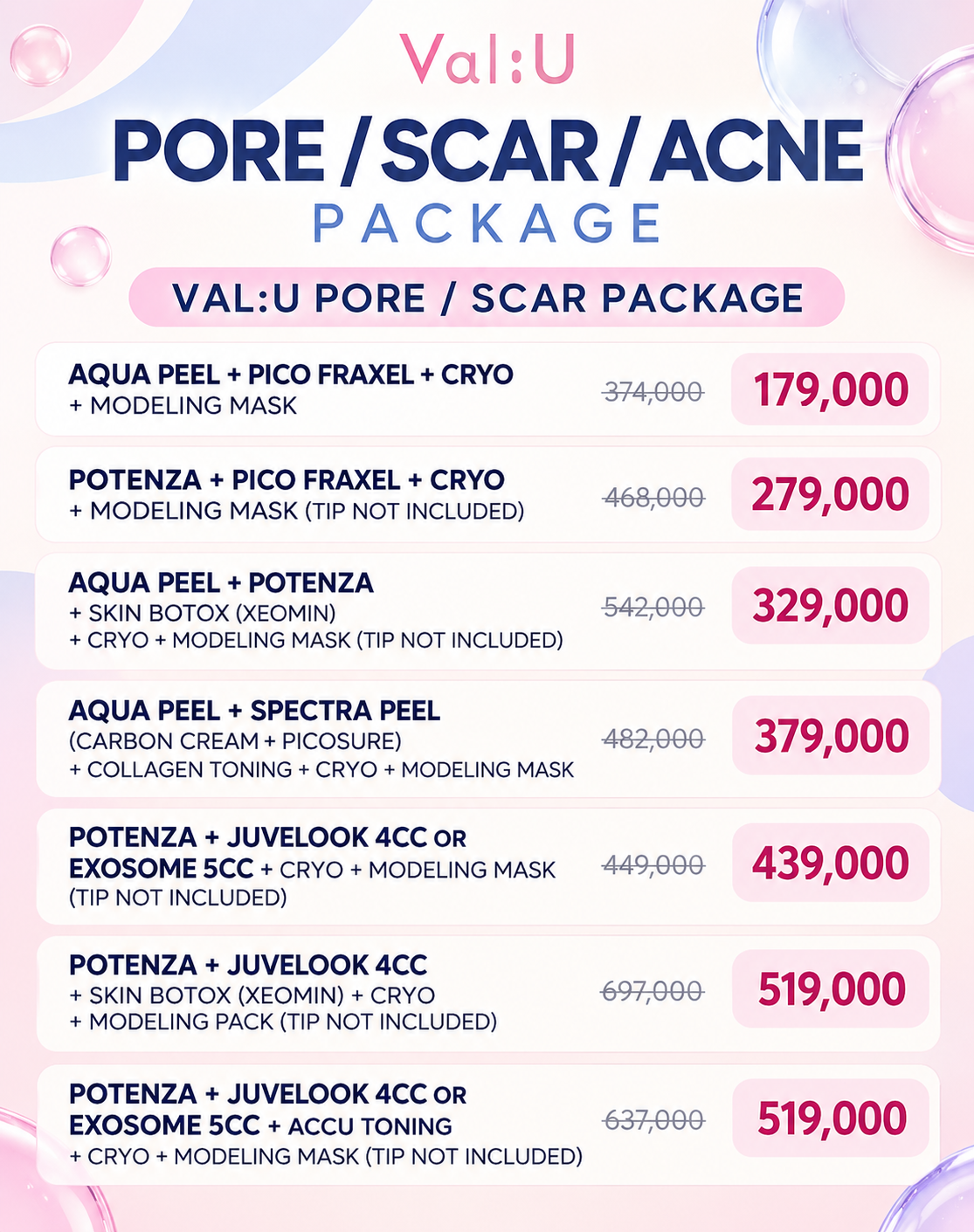
Patients with significant pore and texture concerns may receive Juvelook together with Potenza, microneedling, Pico Fraxel, or another fractional treatment.
Which Is Better for Acne Scars?
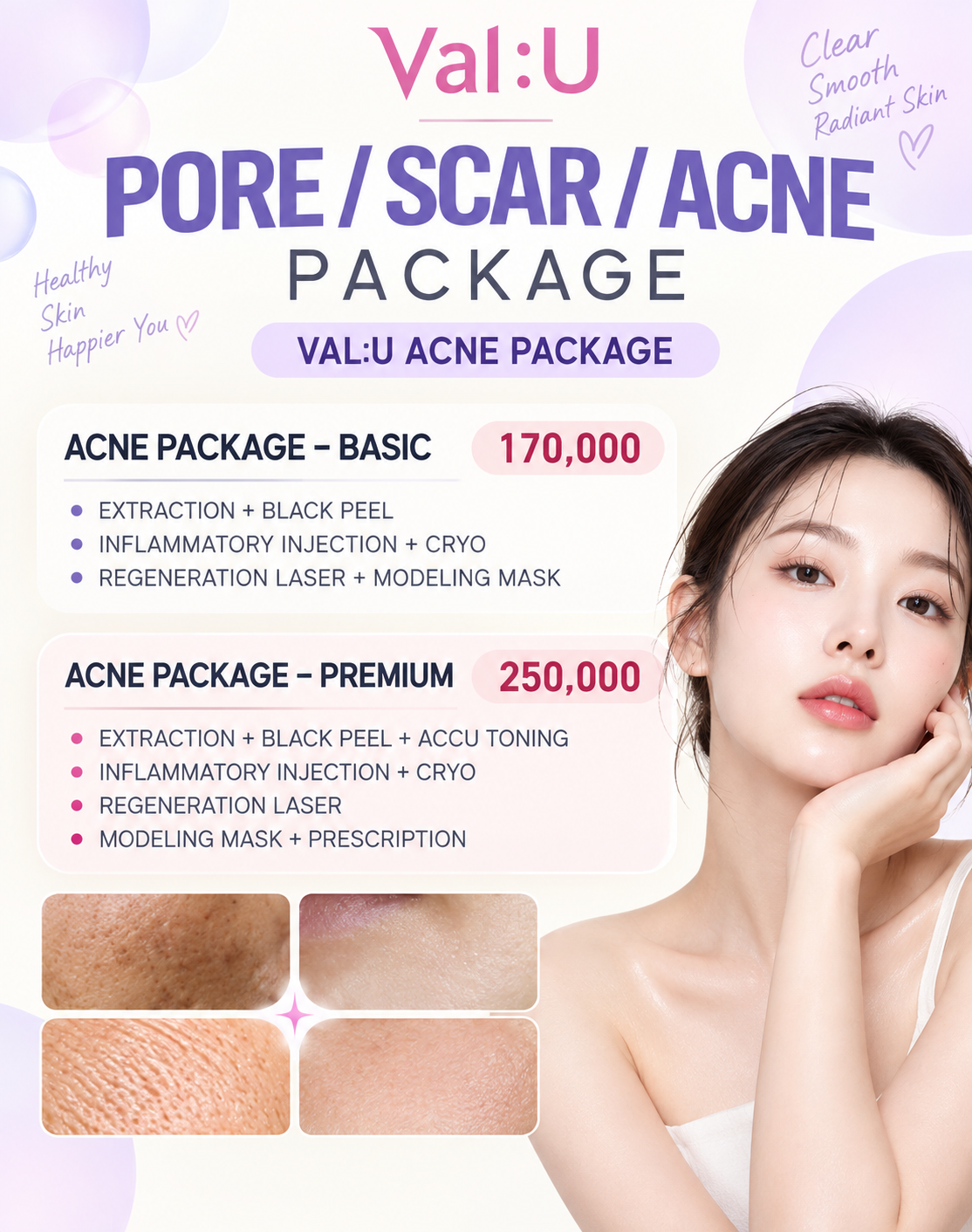
Juvelook is generally the more common choice when acne scars are a primary concern. It may be injected into selected areas or combined with a device-based procedure to stimulate collagen remodeling.
However, “acne scars” include several different scar types:
- Rolling scars
- Boxcar scars
- Ice-pick scars
- Tethered scars
- Enlarged pores
- Post-inflammatory pigmentation
- Red acne marks
Juvelook alone will not correct every scar type. A comprehensive acne-scar plan may include:
- Subcision
- TCA CROSS
- Potenza
- RF microneedling
- Pico Fraxel
- Fractional laser
- Vascular laser
- Pigmentation treatment
- Juvelook injections
Rejuran may support general skin quality during an acne-scar program, but it is not usually the primary treatment for deep or tethered scars.
Which Is Better for Fine Lines?
Both treatments may improve fine lines, but they approach them differently.
Rejuran may be preferable when fine lines are associated with thin, dry, fragile, or crepey skin. It is especially popular for delicate areas where the goal is improved skin quality rather than volume.
Juvelook may be preferable when fine lines occur together with enlarged pores, uneven texture, or reduced collagen support.
Expression lines caused by repeated muscle movement—such as forehead lines or crow’s feet—may require Botox instead. Deep folds caused by volume loss may require filler or another structural treatment.
Which Is Better for the Under-Eye Area?
Rejuran I is a specialized product within the Rejuran family commonly used for the delicate eye area. It may be selected for:
- Fine under-eye lines
- Thin skin
- Crepey texture
- Mild dryness
- General under-eye skin quality
Juvelook may also be used around the eyes by experienced practitioners, particularly when fine lines or mild textural concerns are present. However, precise dilution, placement, and injection depth are important.
Neither treatment can fully correct:
- Large under-eye bags
- Significant fat protrusion
- Deep tear troughs
- Major skin excess
- Dark circles caused by anatomy or visible vessels
These concerns may require filler, laser treatment, fat repositioning, blepharoplasty, or another targeted approach.
Which Produces More Volume?
Rejuran Healer does not usually create meaningful facial volume. Small bumps are visible immediately after treatment, but these are temporary deposits that settle as the product disperses.
Standard Juvelook may create subtle improvement in dermal support as collagen develops, but it should not be expected to perform like a traditional volumizing filler.
Patients seeking cheek, temple, forehead, or chin volume should ask whether dermal filler, Juvelook Volume, Sculptra, Radiesse, or fat grafting is more appropriate.
How Is Rejuran Injected?
Rejuran is commonly administered through multiple small intradermal injections across the treatment area.
The procedure may involve:
- Facial cleansing
- Clinical photography
- Numbing cream
- Skin disinfection
- Manual injections or an injection device
- Cooling or soothing care
- Aftercare instructions
Manual injections allow detailed placement but may create visible bumps and pinpoint bruising. Injection devices may distribute the product more evenly, although some product loss can occur depending on the system and technique.
How Is Juvelook Injected?
Juvelook must be reconstituted and prepared before treatment. Dilution, hydration time, injection depth, and technique may differ according to the treatment goal.
It may be delivered through:
- Manual intradermal injections
- Individual scar injections
- Cannula in selected cases
- Injection devices
- Microneedling or RF microneedling protocols
- Laser-assisted combination treatments
The technique used for pores may differ from the technique used for acne scars or fine lines.
Because PDLLA is a collagen-stimulating material, correct preparation and even distribution are important.
Which Treatment Is More Painful?
Rejuran is known for causing stinging or burning sensations during injection. Even with numbing cream, patients may find multiple intradermal injections uncomfortable.
Juvelook discomfort depends on dilution, treatment area, injection technique, and whether it is combined with another procedure. Manual scar treatment may feel different from full-face injection or RF microneedling.
Pain-control options may include:
- Topical numbing cream
- Local anesthetic
- Cooling
- Vibration
- A slower injection technique
- Product mixing according to the clinic’s protocol
Ask what pain management is included before booking.
Rejuran Downtime
Common temporary effects after Rejuran include:
- Small raised bumps
- Redness
- Swelling
- Tenderness
- Pinpoint bleeding
- Bruising
- Temporary roughness
The bumps may settle within one to several days. Delicate under-eye areas may remain swollen longer.
Schedule treatment carefully if you have a wedding, photoshoot, important dinner, or flight.
Juvelook Downtime
Possible temporary effects after Juvelook include:
- Injection bumps
- Redness
- Swelling
- Tenderness
- Bruising
- Pinpoint marks
- Temporary unevenness
Downtime may be longer if Juvelook is combined with Potenza, microneedling, subcision, or fractional laser.
Although uncommon, delayed papules or nodules may occur after collagen-stimulating injectables. Appropriate preparation, dilution, placement, and injection technique are important.
Contact the clinic if you develop persistent lumps, increasing pain, unusual discoloration, discharge, or worsening swelling.
How Many Sessions Are Needed?
Both treatments are usually performed as a series rather than judged after one appointment.
The number and interval depend on:
- Age
- Skin condition
- Treatment area
- Severity of pores or scars
- Product amount
- Injection technique
- Previous treatments
- Individual collagen response
Rejuran may be performed through an initial series followed by maintenance treatments.
Juvelook may also require multiple sessions because collagen stimulation develops gradually. Acne-scar programs may involve additional treatments using lasers, subcision, or RF microneedling.
International patients should ask whether one session is worthwhile and how follow-up treatment can be continued after returning home.
When Will Results Appear?
Rejuran results usually develop gradually. Patients may notice improvements in hydration or texture first, followed by changes in elasticity and fine lines.
Juvelook also works progressively. The temporary hydration effect may appear sooner, while collagen-related changes take additional time.
Neither treatment should be judged only a few days after injection. Early swelling can temporarily make the skin look smoother and should not be confused with the final result.
How Long Do Results Last?
Results vary according to the number of sessions, treatment area, skin condition, age, lifestyle, and maintenance plan.
Neither treatment permanently stops aging. Sun exposure, smoking, weight changes, skincare habits, and natural collagen loss will continue to affect the skin.
Be cautious of clinics guaranteeing an exact duration or permanent pore and scar removal.
Can Rejuran and Juvelook Be Combined?
Some Korean clinics combine or alternate the treatments because they have different strengths.
A customized plan might use:
- Rejuran for overall skin quality and recovery
- Juvelook for pores and acne scars
- Rejuran I for delicate under-eye skin
- Potenza with Juvelook for textural stimulation
- Laser treatment for pigmentation or redness
They may be performed during the same visit or at separate appointments. Combining products can increase swelling, bruising, cost, and difficulty identifying the cause of a reaction.
A doctor should determine whether both are necessary.
Who May Prefer Rejuran Healer?
Rejuran may be more appropriate if:
- Your skin is thin or crepey.
- Dryness and dehydration are major concerns.
- You have many fine lines.
- Your skin feels sensitive or weakened.
- You want gradual improvement without added volume.
- Under-eye skin quality is a priority.
- You want general skin rejuvenation.
- Your main concern is not deep acne scarring.
Who May Prefer Juvelook?
Juvelook may be more appropriate if:
- Enlarged pores are a major concern.
- You have uneven texture.
- You have shallow acne scars.
- You want stronger collagen stimulation.
- You have fine lines with textural irregularities.
- You are comfortable with gradual results.
- You want to combine injections with microneedling or laser treatment.
- You do not need immediate filler-like volume.
Who Should Be Cautious?
Tell the doctor before treatment if you have:
- A known fish allergy
- A history of severe allergies
- Active acne infection
- Cold sores
- Autoimmune disease
- A bleeding disorder
- A tendency toward keloid scarring
- Previous filler complications
- Unexplained facial lumps
- Pregnancy or breastfeeding
- Recent laser or injectable treatments
- Prescription medication use
Suitability must be determined individually. Product approval and permitted use may also differ between countries.
How to Verify an Authentic Product
Before treatment:
- Ask for the full product name.
- Confirm whether it is Rejuran Healer, Rejuran I, Juvelook, or Juvelook Volume.
- Request to see the sealed box or vial.
- Check the manufacturer and expiration date.
- Ask how much product will be used.
- Confirm whether the package will be opened in front of you.
- Ask how Juvelook will be prepared and diluted.
- Keep treatment documentation if available.
Be cautious when a clinic uses only generic terms such as “salmon injection” or “collagen booster” without identifying the product.
Questions to Ask During Your Consultation
Before choosing a treatment, ask:
- What is causing my skin concern?
- Do I need skin repair or stronger collagen stimulation?
- Which product is better for my pores or scars?
- What exact product and amount will be used?
- How will it be injected?
- Will treatment be performed manually or by device?
- How many sessions are recommended?
- What downtime should I expect?
- What is the risk of bruising, bumps, or nodules?
- Can I wear makeup the next day?
- When is it safe to fly?
- Is 10% VAT included in the price?
- Is English aftercare support available?
The recommendation should be based on your skin rather than whichever product is currently more popular.
Final Verdict: Rejuran or Juvelook?
Choose Rejuran Healer if your main goals are improved hydration, elasticity, fine lines, skin resilience, or rejuvenation of thin and delicate skin.
Choose Juvelook if your main goals are enlarged pores, uneven texture, shallow acne scars, and stronger collagen stimulation.
Choose neither based only on social media trends. Pores, scars, wrinkles, and under-eye concerns can have different causes and may require different injection depths or additional treatments.
For many patients, Rejuran and Juvelook are complementary rather than direct substitutes. A qualified Korean doctor can determine whether your skin needs regenerative support, collagen stimulation, or a combination plan.
At Val:U Clinic, Myeongdong
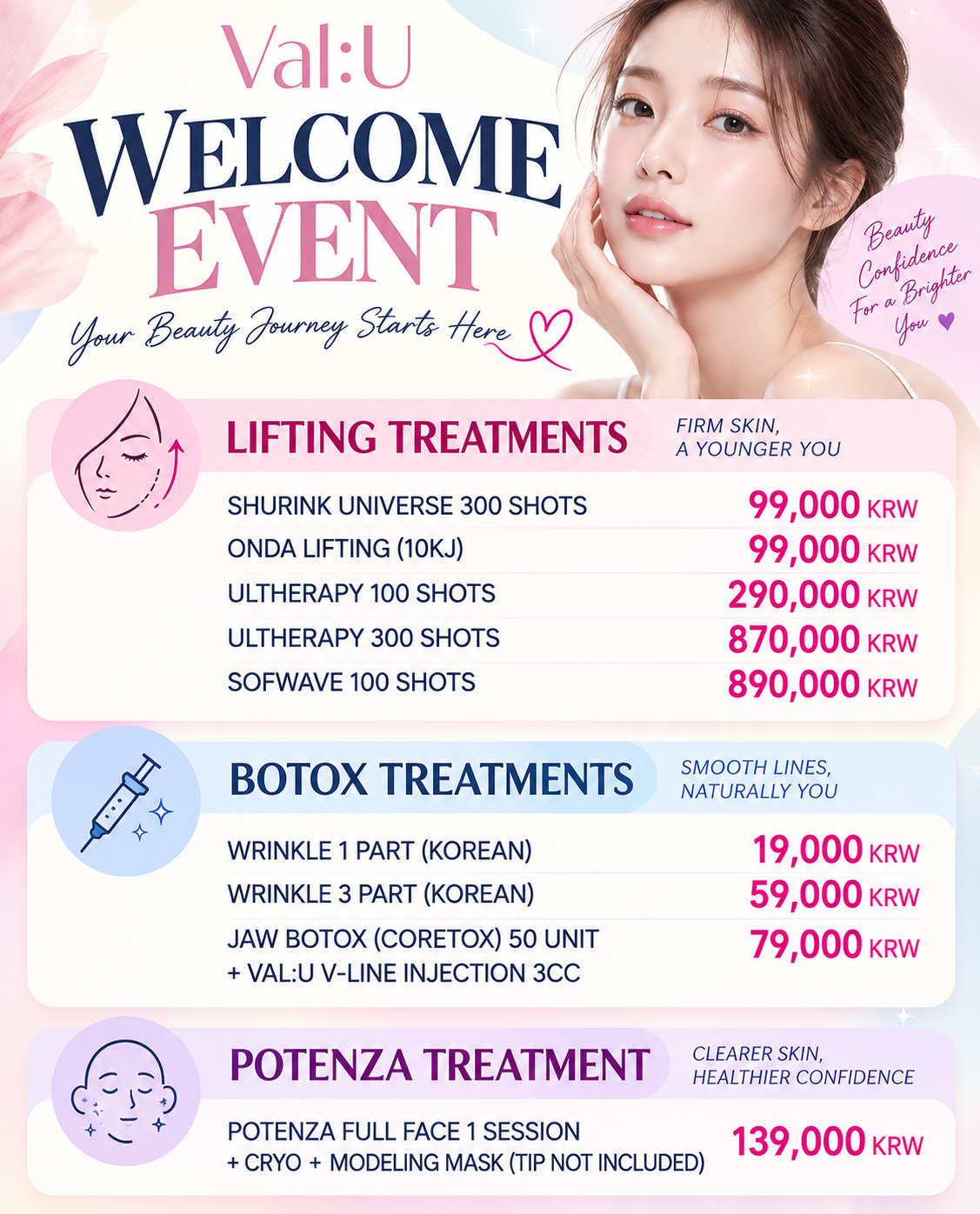
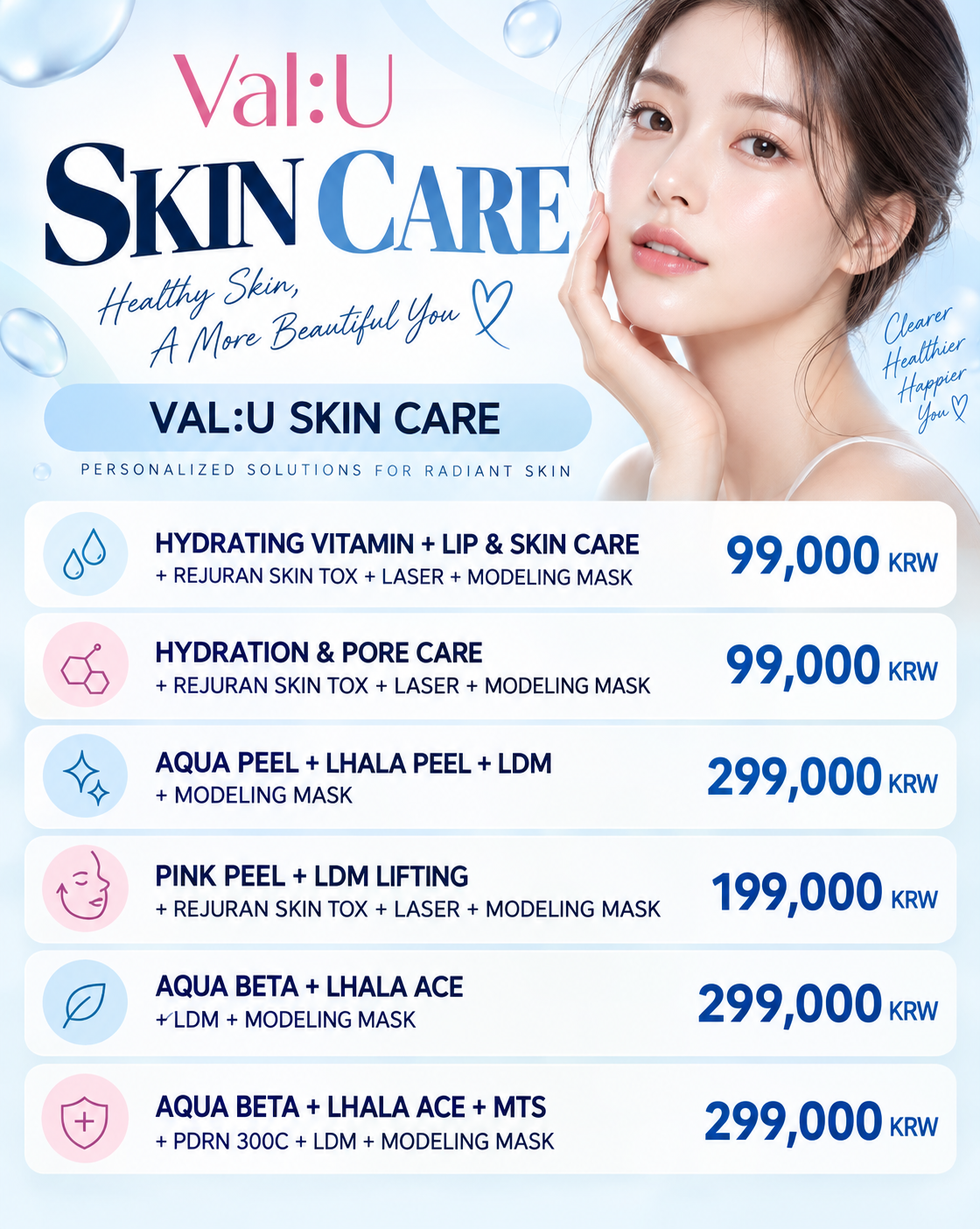
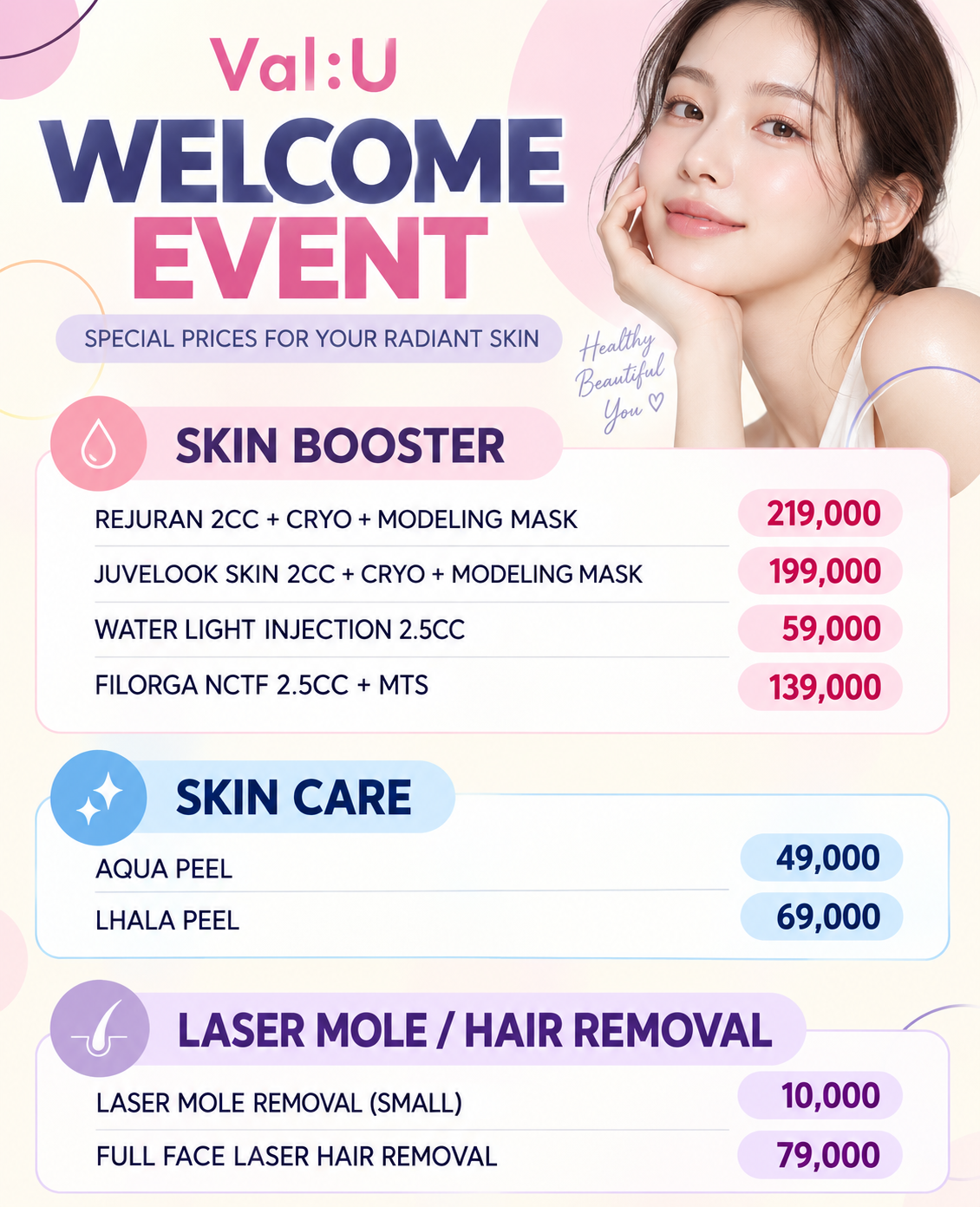
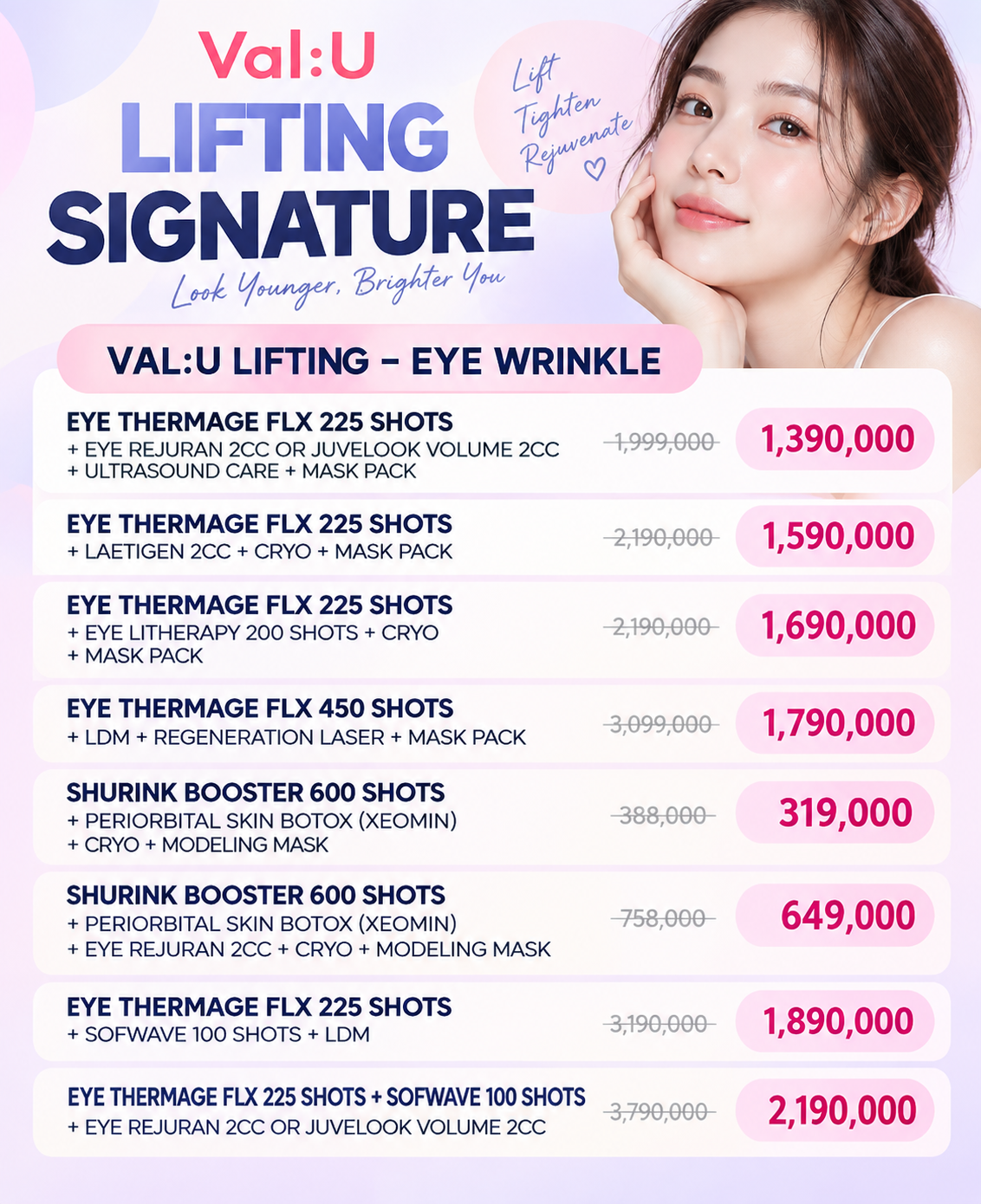
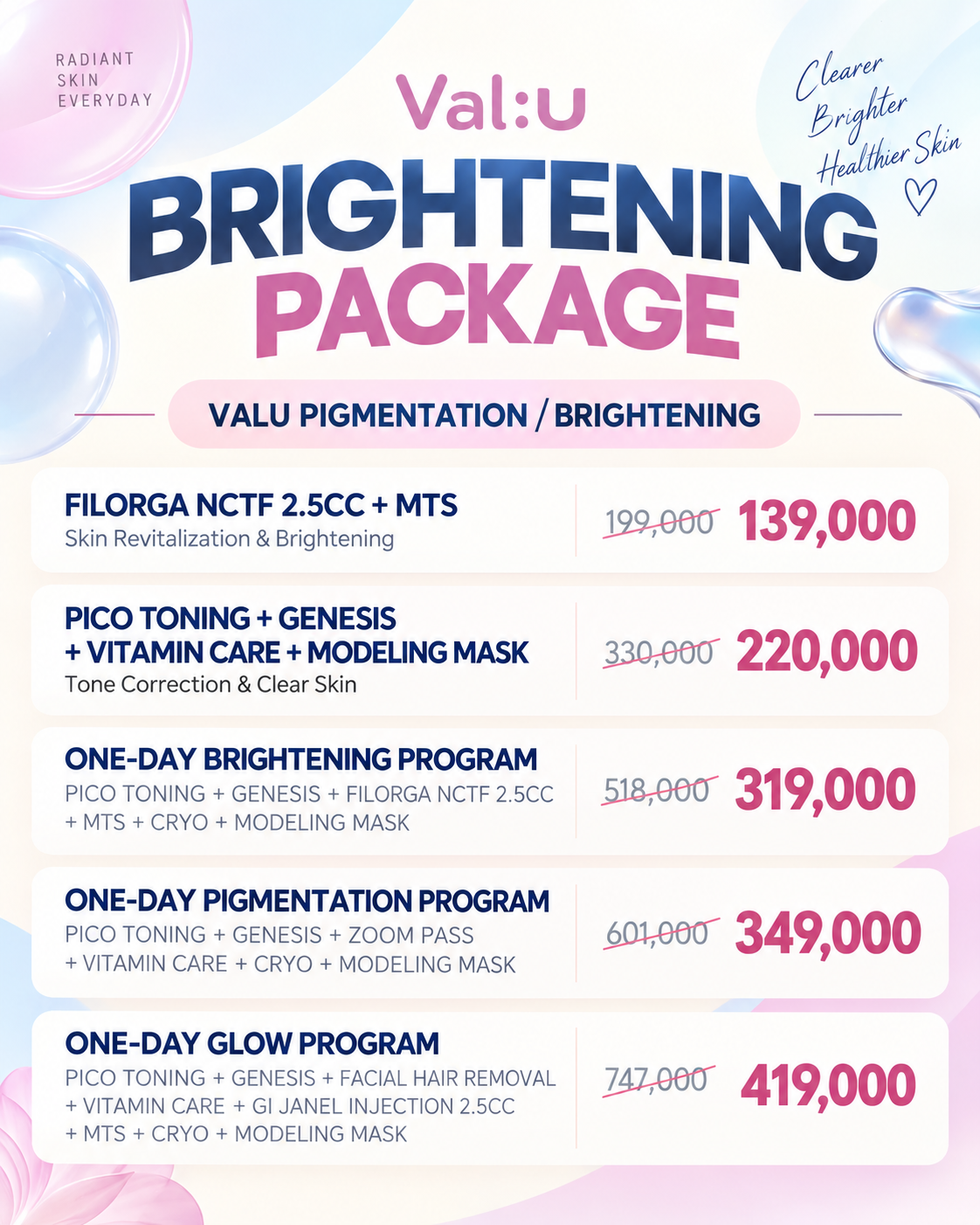
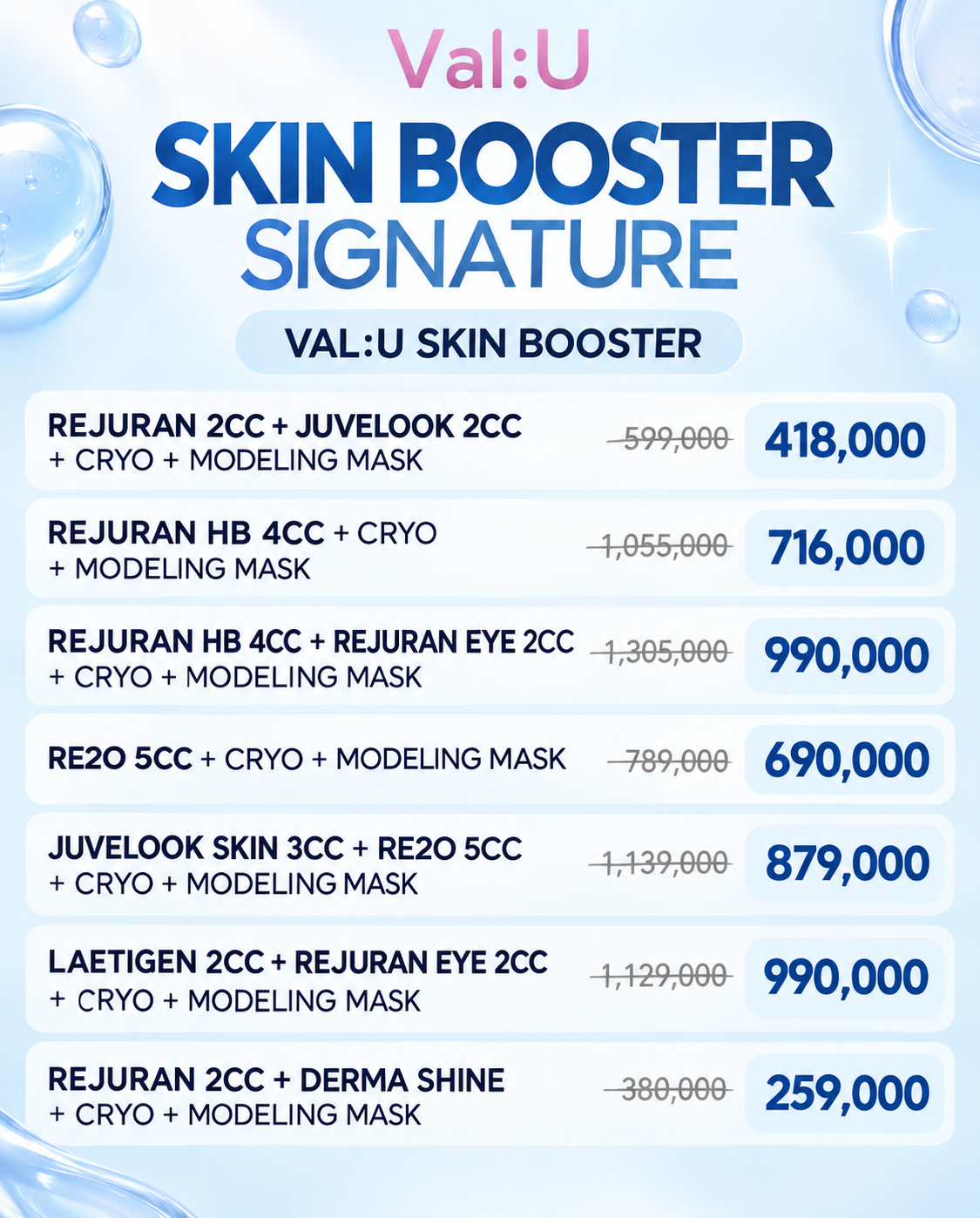
Rejuran and Juvelook: our prices
| Treatment | Price (VAT 10% excluded) |
|---|---|
| Rejuran Healer
PN skin regeneration |
from KRW 250,000 |
| Rejuran HB Plus
PN with hyaluronic acid and lidocaine |
KRW 179,000 |
| Eye Rejuran (Rejuran i)
Fine lines and texture around the eyes |
from KRW 170,000 |
| Juvelook
PLA + HA collagen injection |
from KRW 250,000 |
| Juvelook Volume
Natural volume through your own collagen |
from KRW 250,000 |
Official Val:U Clinic prices, October 2026, VAT 10% excluded. The doctor confirms your plan and total before treatment. Full price list.
Ask a doctor about Rejuran and Juvelook
Send your concern, a photo if you like, and your travel dates on WhatsApp. We reply in English with options and prices, and the doctor confirms your plan at consultation before anything starts.
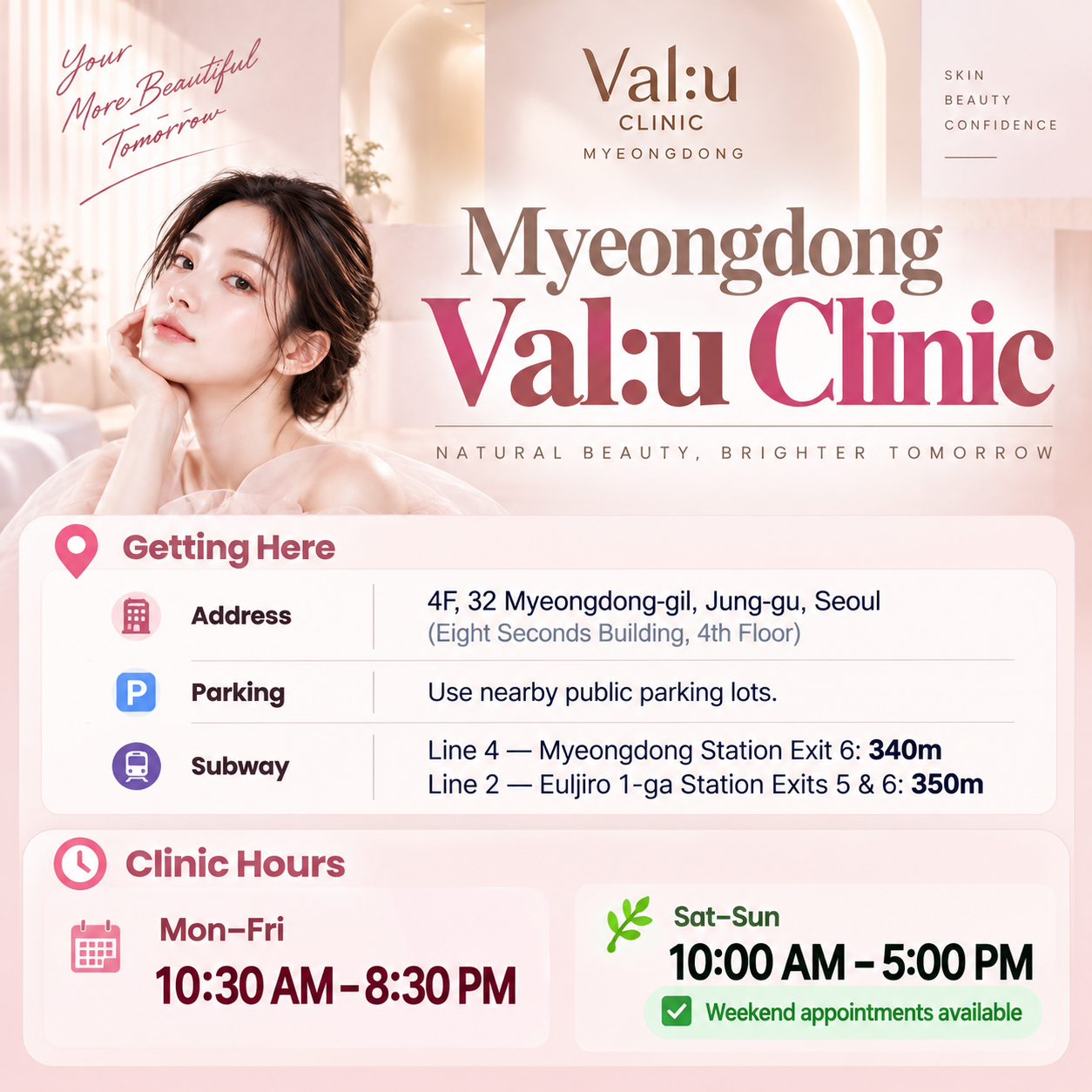
Val:U Clinic · 4F, 32 Myeongdong-gil, Jung-gu, Seoul · Mon–Fri 10:30–20:30 · Sat–Sun 10:00–17:00 · Tel +82-2-2039-7431